How Postpartum Exercise May Boost Your Mental Health
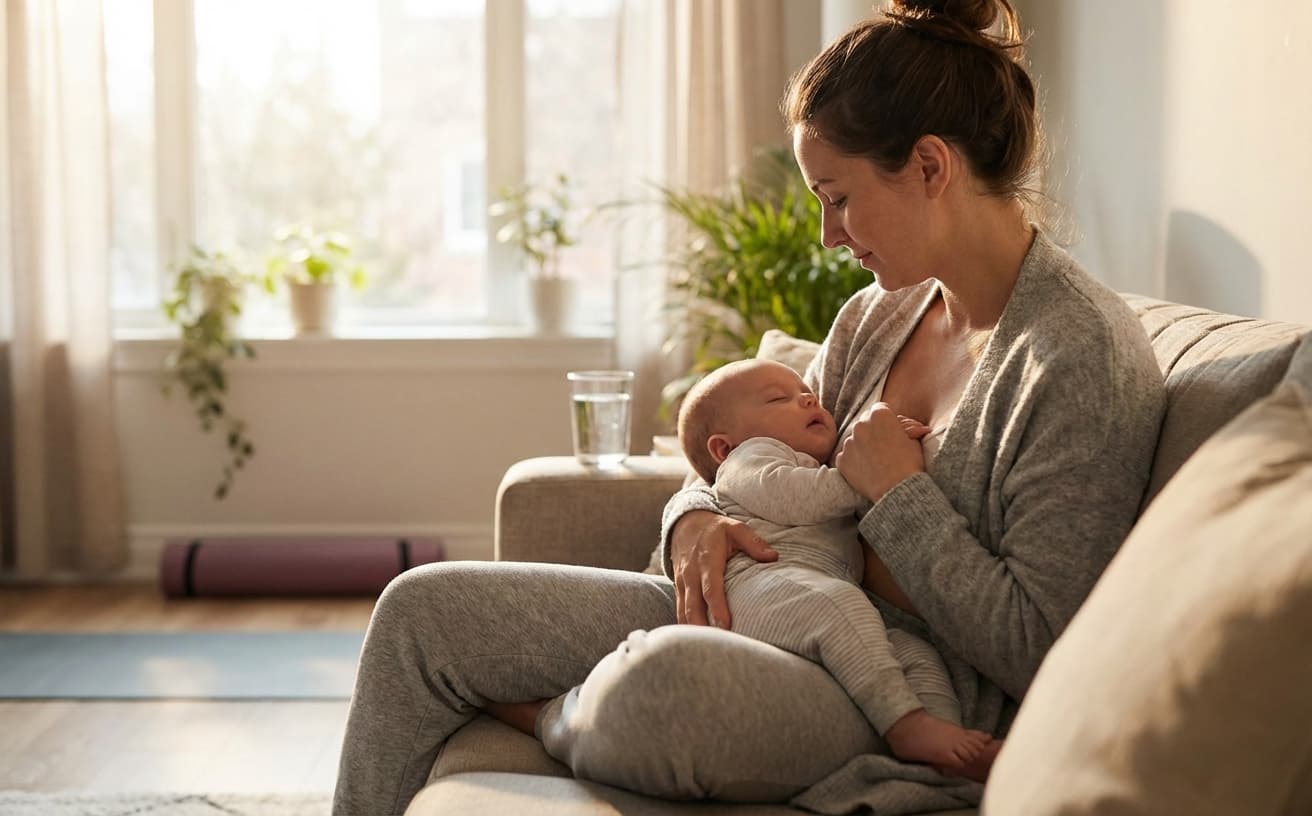
If you're a new mom feeling overwhelmed, exhausted, or just not quite yourself, you're far from alone. The postpartum period is one of the most emotionally intense experiences a person can go through. And while there's no magic fix for the mental health challenges that can come with new parenthood, research is pointing to something surprisingly powerful: postpartum exercise.
Physical activity plays a significant role in decreasing depressive symptoms during the postpartum period. In fact, studies suggest it may act as a natural antidepressant — helping your brain produce the feel-good chemicals it desperately needs during this stage of life.
So let's talk about what the research actually says, what kinds of movement may help most, and how to build a realistic routine when you're running on very little sleep.
What the Research Says About Postpartum Exercise and Mental Health
This isn't just anecdotal feel-good advice. The science behind postpartum exercise and mental health is growing — and the findings are encouraging.
Research reveals a significant moderate effect of exercise on depressive symptoms among postpartum women. That means movement isn't just a nice-to-have. It may be a genuine tool for managing mood during one of life's hardest transitions.
Even more compelling? Studies suggest that exercise may have a superior effect on postpartum depression (PPD) symptoms compared with traditional psychosocial and psychological interventions. That doesn't mean therapy or medication aren't valuable — they absolutely are. But it does suggest that physical activity deserves a serious seat at the table when it comes to treating and preventing PPD.
Researchers have also found that higher levels of physical activity during pregnancy were consistently associated with improved postpartum mental health outcomes. In other words, building a movement habit before baby arrives may set you up for a smoother emotional recovery afterward. If you're currently expecting, check out our guide to staying active during pregnancy for tips on getting started.
How Postpartum Exercise Supports Your Brain
So what's actually happening in your body when you move? The mental health benefits of postpartum exercise come down to some pretty powerful biological processes.
The Natural Antidepressant Effect
When you exercise, your body releases endorphins, serotonin, and other neurotransmitters that play a key role in mood regulation. For new moms dealing with hormonal shifts, sleep deprivation, and the stress of caring for a newborn, this natural chemical boost may make a real difference.
Physical activity also helps regulate cortisol, your body's primary stress hormone. When cortisol levels stay elevated for too long — as they often do during the postpartum period — it can contribute to feelings of anxiety, irritability, and depression.
Better Sleep, Better Mood
Yes, we know — sleep feels like a distant memory when you have a newborn. But here's the thing: regular exercise may actually improve the quality of the sleep you do get. Even if you're only sleeping in short stretches, better-quality rest can have a meaningful impact on your emotional well-being.
Exercise should go hand in hand with other healthy lifestyle behaviors, including prioritizing sleep when possible, eating nourishing foods, and finding ways to reduce stress. It's not about perfection — it's about stacking small habits that support your overall recovery.
The Best Types of Postpartum Exercise for Mental Health
Not all movement is created equal when it comes to mood benefits — and the good news is that you don't need to do anything extreme to feel a difference.
Low-Intensity Movement May Be Your Best Friend
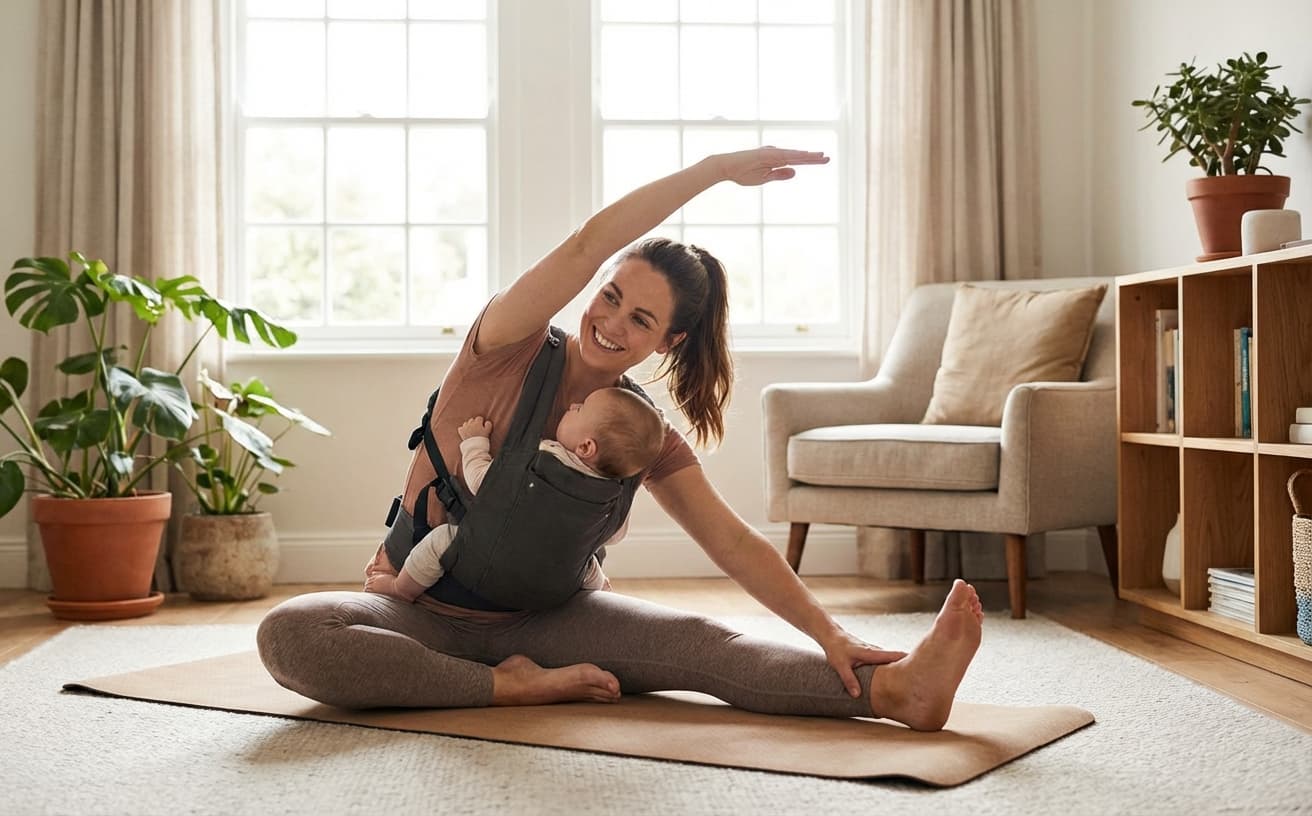
Here's something that might surprise you: low-intensity exercises like yoga were found to be particularly effective in reducing postpartum depressive symptoms. You don't need to crush a high-intensity workout to reap the mental health rewards.
Gentle options that may help include:
- Postnatal yoga — combines movement, breathwork, and mindfulness for a triple mood boost
- Walking — simple, free, and you can do it with baby in a stroller or carrier
- Stretching routines — help release tension stored in the neck, shoulders, and hips
- Pelvic floor exercises — support physical recovery, which in turn supports emotional confidence
Stroller-Based Fitness: Work Out With Baby
One of the most popular formats for postpartum fitness right now is stroller-based workouts. Picture this: a group of new moms in a local park, using their strollers as props for lunges, squats, and upper-body exercises, then power walking or jogging together between sets.
These classes solve two of the biggest barriers new moms face — childcare and isolation. You get your workout in, baby comes along for the ride, and you connect with other parents who actually understand what you're going through.
If there isn't a class near you, you can easily create your own version. A brisk 30-minute walk with the stroller, with a few stops for bodyweight exercises along the way, is a perfectly effective workout.
How Much Exercise Do You Actually Need?
The American College of Obstetricians and Gynecologists (ACOG) recommends moderate-to-vigorous intensity exercise of at least 150 minutes per week for postpartum women — assuming you've been cleared by your healthcare provider.
That breaks down to roughly 30 minutes a day, five days a week. But here's the important part: you don't have to do it all at once. Three 10-minute walks throughout the day count just as much as one 30-minute session.
Start slow, especially if you had a cesarean birth or complications. Even 10-15 minutes of gentle movement a few times a week is a meaningful starting point.
Building a Support System Around Your Exercise Routine
Research suggests that an exercise protocol combined with a support or wellness program tends to produce the best results for postpartum mental health. In other words, movement alone is powerful — but movement plus community and support is even more so.
The Power of Online Communities
Finding your people matters. A striking 79% of women report feeling emotional support from online communities — and for new moms who may be housebound or isolated, these digital connections can be a lifeline.
Whether it's a Facebook group for postpartum fitness, a Reddit community for new parents, or a dedicated app with workout accountability partners, having people who get it can make all the difference in staying consistent with your exercise routine.
Tech Tools That May Help
We're living in an era where technology can support your mental health in ways that weren't possible even a few years ago. Two developments worth knowing about:
- Wearable data in healthcare: About 72% of clinicians say their patients now bring wearable or app data to appointments. Tracking your activity, sleep, and heart rate can give your doctor a fuller picture of how you're doing — and help them spot patterns you might miss.
- Digital phenotyping: Emerging research suggests that smartphone and wearable data may be able to spot risk for depression and anxiety with up to 85% accuracy before clinical onset. While this technology is still evolving, it could one day help identify postpartum mood disorders earlier, when intervention is most effective.
These tools aren't replacements for professional care. But they can be valuable additions to your postpartum wellness toolkit.
Getting Started: A Practical Guide for New Moms
Knowing the benefits is one thing. Actually getting moving when you're sleep-deprived and overwhelmed is another. Here's a realistic approach.
Step 1: Get Cleared by Your Provider
Before starting or resuming any exercise program, talk to your OB-GYN or midwife. Most providers give the green light around 6 weeks postpartum for vaginal deliveries and 8-12 weeks for cesarean births — but every recovery is different.
Step 2: Start Ridiculously Small
Forget what your workouts looked like before pregnancy. Right now, your goal is simply to move your body in a way that feels good. A 10-minute walk around the block counts. Five minutes of gentle stretching while baby naps counts. Lower the bar so far that it's almost impossible not to succeed.
Step 3: Pair Movement With Other Healthy Habits
Exercise works best as part of a bigger picture. Try to combine your movement routine with:
- Nourishing meals — focus on whole foods that fuel your recovery and energy levels
- Sleep when possible — even short naps or earlier bedtimes make a difference
- Stress reduction — deep breathing, meditation, or simply sitting outside for a few quiet minutes
- Social connection — whether in person or online, don't isolate yourself
Step 4: Build in Flexibility
Some days the baby will have other plans for your workout time. That's okay. The goal isn't perfection — it's consistency over time. A week where you only managed two short walks is still better than a week on the couch feeling guilty about skipping the gym.
When to Seek Professional Help
Exercise may be a powerful tool for supporting postpartum mental health, but it's not a substitute for professional care when you need it. If you're experiencing persistent sadness, anxiety, rage, intrusive thoughts, or difficulty bonding with your baby, please reach out to your healthcare provider.
Postpartum depression and anxiety are medical conditions — not personal failures. Treatment options including therapy, medication, and structured support programs can work alongside your exercise routine to help you feel better.
You can also contact the Postpartum Support International helpline at 1-800-944-4773 for immediate support and resources.
Frequently Asked Questions
How soon after giving birth can I start exercising?
Most healthcare providers recommend waiting until your postpartum checkup — typically around 6 weeks after a vaginal delivery or 8-12 weeks after a cesarean birth — before resuming structured exercise. However, gentle walking is often encouraged within days of delivery if you feel up to it. Always get clearance from your provider before starting any exercise program, as every recovery is unique.
Can exercise really help with postpartum depression?
Research suggests it may. Studies have found a significant moderate effect of exercise on depressive symptoms among postpartum women, with some research indicating exercise may be even more effective than certain psychosocial interventions. Exercise appears to act as a natural antidepressant by boosting endorphins and regulating stress hormones. However, it should complement — not replace — professional treatment if you're experiencing clinical depression.
What type of exercise is best for postpartum mental health?
Low-intensity activities like yoga and walking have shown particularly strong results for reducing postpartum depressive symptoms. The best exercise is ultimately one you enjoy and can do consistently. Stroller-based fitness classes, gentle strength training, and even short daily walks may all provide meaningful mental health benefits. ACOG recommends working toward at least 150 minutes of moderate activity per week.
How do I stay motivated to exercise as a new mom?
Building a support system is key. Research shows that combining exercise with a wellness or support program produces the best results. Consider joining a local stroller fitness group, connecting with other new parents through online communities, or using a wearable device to track your progress and share data with your healthcare provider. Start with very small goals — even 10 minutes counts — and focus on how movement makes you feel rather than how it makes you look.
This article is for informational purposes only and is not medical advice. Consult your healthcare provider before making health decisions.