Postpartum Body Recovery Timeline: What to Really Expect After Giving Birth

Your Postpartum Body Recovery Timeline Starts Now
You just did something incredible — you brought a new life into the world. But somewhere between the first snuggle and the third diaper change, you might be wondering: what's happening to my body?
The postpartum body recovery timeline is different for everyone. Some changes happen within hours, others take weeks or even months. Understanding what's normal can help you feel more prepared and a lot less anxious during this major life transition.
The postpartum period officially starts right after childbirth and generally lasts six to eight weeks. But here's the truth most people don't tell you — full recovery can take nine months or longer. That's completely normal, and you deserve to know that upfront.
The First 24 Hours: What Happens Right After Birth
Vaginal Delivery Recovery
If you delivered vaginally, you'll likely experience some soreness and swelling in the perineal area. Up to 70 percent of people have some degree of vaginal tearing during childbirth, so if you needed stitches, you're in very good company.
You'll also notice vaginal bleeding called lochia. This is your body shedding the extra blood and tissue that supported your pregnancy. It's heavier than a normal period at first and may include small clots.
C-Section Recovery
If you had a cesarean delivery, your skin incision will need special attention. C-section skin healing typically takes up to 10 days, though the deeper layers of tissue take much longer to fully mend.
You'll likely feel groggy from anesthesia and will need help getting in and out of bed. Moving around as soon as your care team says it's safe can actually help your recovery, even though it might feel like the last thing you want to do.
Uterine Cramping
No matter how you delivered, your uterus needs to shrink back to its pre-pregnancy size. This process causes cramping that can feel surprisingly intense — especially in the first couple of days. If this isn't your first baby, those cramps may actually be stronger than they were the first time around.
These afterbirth pains are a sign that your body is doing exactly what it's supposed to do. They're often most noticeable during breastfeeding, since nursing triggers the hormones that help your uterus contract.
Week One: The Biggest Adjustments
Breast Changes
Around the third or fourth day after giving birth, your breasts will start filling with milk. They may become engorged — feeling firm, swollen, and sore. This is temporary, though it can be uncomfortable.
Whether you choose to breastfeed or not, engorgement is a normal part of the postpartum body recovery timeline. Cool compresses and a supportive bra can help ease the discomfort.
Hormonal Shifts
Your hormone levels are doing a major reset during this first week. Hormonal shifts may cause hot flashes, mood swings, headaches, and increased sweating — especially at night. Waking up drenched in sweat is surprisingly common and usually subsides within a week or two.
These changes can feel unsettling, but they're your body's way of transitioning out of pregnancy mode. Be gentle with yourself and don't hesitate to talk to your provider about anything that feels off.
Digestive Slowdown
Here's something nobody warns you about — going to the bathroom after childbirth can be a real challenge. Your digestive system slows down during labor and delivery. If you had an epidural, that can slow your bowels even further.
Many healthcare providers recommend stool softeners after birth to help things along. Staying hydrated and eating fiber-rich foods can also make a big difference. Don't strain — give your body time.
Weeks Two Through Four: Finding a New Normal
Bleeding and Discharge
Lochia will continue for several weeks, gradually changing from bright red to pink to yellowish-white. By the end of the first month, it should be tapering off significantly.
If bleeding suddenly gets heavier or you pass large clots after it had been slowing down, call your healthcare provider. That could be a sign that you need to rest more or that something else needs attention.
Physical Soreness
Whether you had a vaginal delivery or C-section, general body soreness is normal during these weeks. Your back, hips, and shoulders are adjusting to new demands — especially if you're spending hours feeding, holding, and rocking a newborn.
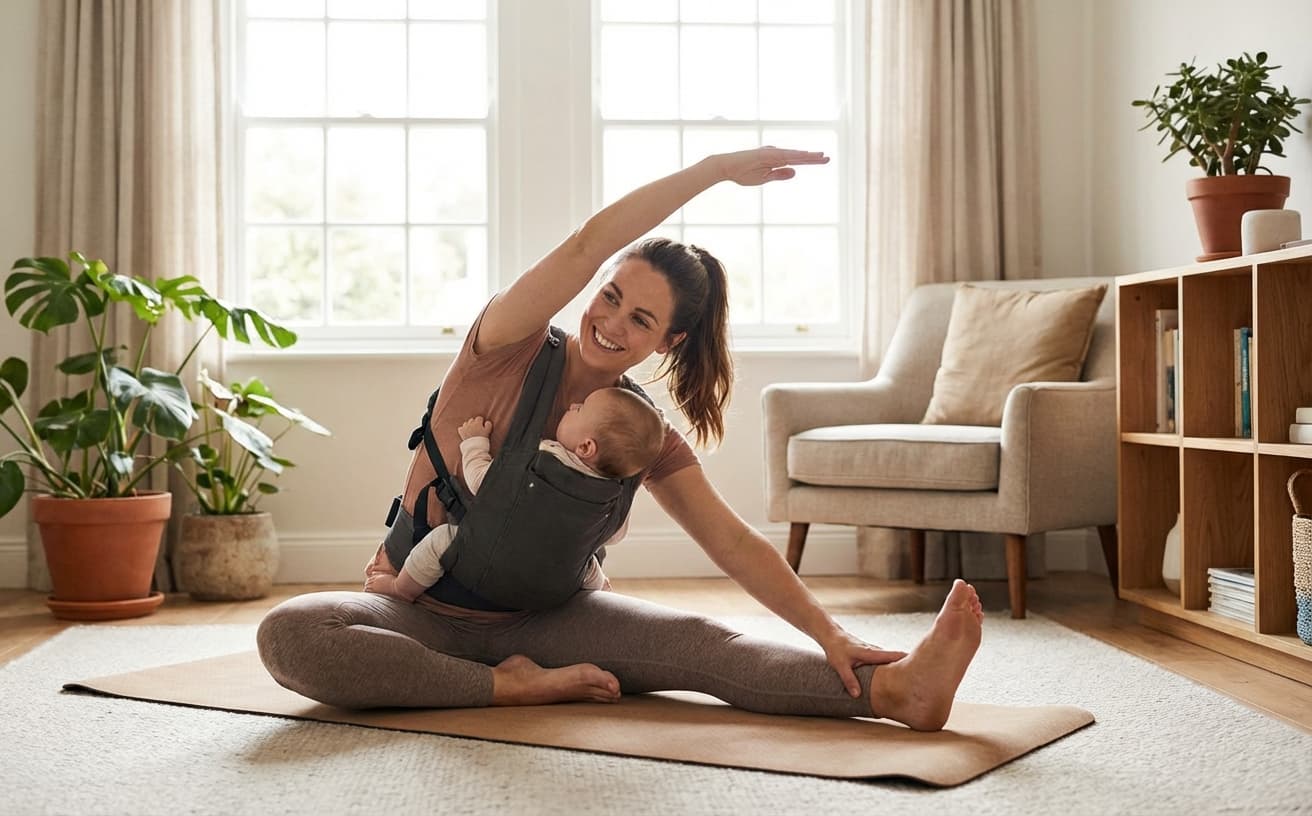
Gentle movement can help. Short walks around the house or light stretching may ease stiffness, but this isn't the time to push yourself with intense exercise. Listen to your body first and foremost.
Emotional Ups and Downs
The "baby blues" affect up to 80 percent of new parents in the first two weeks. You might feel tearful, irritable, anxious, or overwhelmed — sometimes all in the same hour. These feelings are driven by hormonal changes and sleep deprivation, and they usually pass within two weeks.
If they don't pass — or if they get worse — that's a signal to reach out for help. More on that below.
The Six-Week Milestone: A Major Checkpoint
The six-week postpartum visit is a big deal, and for good reason. By this point, several key milestones in your postpartum body recovery timeline should be reached.
- Your uterus should be back to its normal size
- Vaginal tears or C-section incisions should be healed
- Lochia should have stopped
This is typically when your healthcare provider will clear you for exercise and sexual activity — if you feel comfortable and ready. There's no pressure to do either on any particular timeline.
But here's an important reminder: the six-week mark is a checkpoint, not a finish line. Many aspects of recovery continue well beyond this point.
Months Two Through Six: Ongoing Recovery
Hair Loss
Around two to four months postpartum, you might notice more hair falling out than usual. This is called telogen effluvium, and it happens because the extra hair you kept during pregnancy (thanks to elevated hormones) is now shedding. It's temporary and usually resolves by your baby's first birthday.
Core and Pelvic Floor
Your abdominal muscles stretched significantly during pregnancy, and they need time to come back together. Some people develop diastasis recti — a separation of the abdominal muscles — which may require targeted exercises or physical therapy.
Your pelvic floor also went through a lot. Incontinence, pelvic pressure, or discomfort during intimacy are all common and treatable. A pelvic floor physical therapist can be a game-changer during this phase.
Weight Changes
Your body may not look or feel the way it did before pregnancy, and that's okay. Body image after birth is complex, and there's no magic timeline for when you'll feel like yourself again.
Studies suggest that most people retain some pregnancy weight at six months postpartum. Gradual, gentle approaches to weight management — rather than restrictive dieting — tend to be healthier and more sustainable, especially if you're breastfeeding.
Postpartum Mental Health: The Recovery Nobody Sees
Physical healing gets most of the attention, but your emotional recovery matters just as much. The postpartum period brings enormous psychological adjustments, and struggling doesn't mean you're failing.
Postpartum Depression
Postpartum depression affects approximately one in eight people in the year after giving birth. It goes beyond the baby blues. Symptoms may include persistent sadness, loss of interest in things you used to enjoy, difficulty bonding with your baby, changes in appetite, and intrusive thoughts.
The most important thing to know is that postpartum depression is treatable. Therapy, medication, support groups, and lifestyle changes can all help. If you're experiencing these symptoms, please reach out to your healthcare provider or a mental health professional.
Postpartum Anxiety
Postpartum anxiety is equally common but gets talked about less. Racing thoughts, constant worry about the baby's safety, difficulty sleeping even when the baby is sleeping, and physical symptoms like a racing heart are all signs.
You don't have to white-knuckle your way through this. Help is available, and asking for it is a sign of strength — not weakness.
The Long View
Many new parents don't feel remotely like themselves for a whole year — and that's within the range of normal. Give yourself the grace and time you need. Recovery isn't linear, and bad days don't erase progress.
When to Call Your Doctor
While most postpartum symptoms are normal, some warrant immediate medical attention. Call your healthcare provider right away if you experience:
- Heavy bleeding that soaks through a pad in an hour or less
- Fever above 100.4°F (38°C)
- Severe headache that doesn't improve with medication
- Pain, redness, or discharge at your C-section incision
- Chest pain or difficulty breathing
- Leg pain or swelling, especially in one leg
- Thoughts of harming yourself or your baby
Trust your instincts. If something feels wrong, it's always better to call and be reassured than to wait and worry.
Tips for Supporting Your Postpartum Recovery
While you can't rush recovery, you can set yourself up for the smoothest possible experience. Here are some evidence-backed strategies:
- Rest whenever possible. Sleep deprivation affects everything — your mood, healing, milk supply, and patience. Accept help and sleep when the baby sleeps (yes, really).
- Stay hydrated and nourished. Your body needs quality nutrition to heal. Focus on protein, healthy fats, fiber, and plenty of water.
- Move gently. Short walks and gentle stretching can improve your mood and circulation without stressing your recovering body.
- Accept help. Whether it's a partner, family member, friend, or postpartum doula — let people support you. This isn't a solo mission.
- Connect with other parents. Online communities, local support groups, and even just texting a friend who gets it can reduce isolation.
The Bottom Line on Your Postpartum Body Recovery Timeline
Your postpartum body recovery timeline is uniquely yours. Some people feel great at six weeks; others need a full year or more to feel like themselves again. Both are normal.
The most important thing you can do is listen to your body, be honest with your healthcare provider, and give yourself the same compassion you'd give your best friend. You grew a human — your body deserves patience and respect as it finds its new normal.
Frequently Asked Questions
How long does postpartum recovery actually take?
The initial postpartum period lasts six to eight weeks, but full recovery often takes nine months or longer. Physical healing, hormonal rebalancing, and emotional adjustment all happen on different timelines. Most experts agree that giving yourself at least a full year is reasonable.
When can I start exercising after giving birth?
Most healthcare providers recommend waiting until your six-week postpartum checkup before starting any structured exercise program. However, gentle walking is usually safe within the first few days. Always get clearance from your provider before increasing intensity, especially after a C-section.
Is it normal to still look pregnant weeks after delivery?
Absolutely. Your uterus takes about six weeks to return to its pre-pregnancy size, and your abdominal muscles need time to recover. Bloating, fluid retention, and stretched skin all contribute to a postpartum belly that looks different from what you might expect. This is completely normal and not a reflection of your health.
How do I know if I have postpartum depression versus the baby blues?
The baby blues typically appear within the first two weeks and resolve on their own. Symptoms include mood swings, tearfulness, and irritability. Postpartum depression lasts longer, feels more intense, and may include persistent sadness, loss of interest, difficulty bonding with your baby, and intrusive thoughts. If your symptoms last beyond two weeks or interfere with daily life, talk to your healthcare provider.
This article is for informational purposes only and is not medical advice. Consult your healthcare provider before making health decisions.