How to Lose Baby Weight While Breastfeeding Safely

The Postpartum Weight Loss Reality Check
The pressure to "bounce back" after having a baby is everywhere — and it's worth pushing back against. Your body just did something extraordinary. Growing and birthing a human being takes a significant toll, and recovery takes time. That said, wanting to gradually return to a healthy weight is a completely valid goal, and when done safely, it's absolutely achievable while breastfeeding.
The key word here is safely. Breastfeeding mothers have specific nutritional needs that differ significantly from non-nursing women, and aggressive calorie restriction or crash diets can not only undermine your milk supply but also leave you exhausted, depleted, and running on empty at one of the most demanding times of your life. Our nutrition guides can help you build an eating plan that supports both weight loss and recovery.
When Can You Start Trying to Lose Weight?
Most health experts and lactation consultants recommend waiting until your baby is at least 6–8 weeks old before making any deliberate effort to lose weight. Here's why: your milk supply is still being established in those early weeks, and it's particularly sensitive to caloric restriction and stress. The Cleveland Clinic recommends giving yourself until your 6-week postpartum checkup, and waiting until 2 months postpartum if you're breastfeeding, before cutting calories intentionally.
This doesn't mean doing nothing. In those early weeks, focus on recovering well, eating nourishing foods, resting as much as a newborn allows, and doing gentle movement when you feel up to it. Many women naturally lose some weight in this period just from the demands of nursing and caring for a newborn — without any intentional effort at all.
How Many Calories Does Breastfeeding Burn?
Breastfeeding is genuinely one of the most calorie-intensive things your body can do. Producing breast milk burns approximately 300–500 calories per day, though the exact number varies based on how much you nurse and your baby's age. This is one of the reasons many women experience postpartum weight loss simply by feeding on demand.
To maintain milk supply while in a gentle calorie deficit, experts recommend consuming an extra 330–400 calories per day above your baseline needs — meaning your body will tap into stored fat to cover the rest of what breastfeeding requires. This built-in mechanism allows for gradual, safe fat loss without sabotaging milk production. The Dietary Guidelines for Americans support this approach, emphasizing nutrient-dense eating over calorie restriction for breastfeeding mothers.
Safe Postpartum Weight Loss Rate
Research and clinical guidelines consistently recommend losing no more than 1 pound per week — or about 4 pounds per month — while breastfeeding. This pace is slow enough to protect milk supply, maintain energy levels, and ensure your baby continues receiving all the nutrients they need through your milk.
Losing weight faster than this may seem tempting, but it can cause several problems: reduced milk volume, nutrient deficiencies passing through your milk, and significant fatigue that makes it harder to care for your baby. Patience and consistency deliver far better outcomes than speed. For more on sustainable weight loss strategies, explore our dedicated resources.
Nutrition: What to Eat to Lose Baby Weight While Breastfeeding
Your diet is the most powerful lever for postpartum weight loss, but the goal while breastfeeding isn't to eat as little as possible — it's to eat as well as possible. Focus on quality, not just quantity.
Prioritize Protein at Every Meal
Protein is your best friend in the postpartum period. It supports tissue repair after childbirth, helps preserve muscle mass, keeps you full and satisfied for longer, and has a higher thermic effect than fats or carbs (meaning your body burns more calories digesting it). Aim for 25–35 grams per meal from sources like eggs, chicken, fish, Greek yogurt, cottage cheese, legumes, and tofu.
Don't Fear Healthy Fats
Dietary fat does not make you fat — and it's especially important while breastfeeding. Fat-soluble vitamins (A, D, E, and K) are delivered through your milk and require dietary fat for absorption. Omega-3 fatty acids from salmon, sardines, walnuts, and flaxseeds also support your baby's brain development. Include healthy fats at each meal in moderate portions.
Choose Fiber-Rich Carbohydrates
Refined carbohydrates spike blood sugar and provide little sustained energy — not ideal when you're running on interrupted sleep and constantly nursing. Instead, choose complex carbs like oats, brown rice, sweet potatoes, quinoa, and whole grain bread. These provide lasting energy, support gut health, and help regulate appetite. Our nutrition section has simple meal ideas built around these principles.
Stay Well Hydrated
Breast milk is about 87% water. Dehydration can reduce milk supply and leave you feeling fatigued and hungry. Aim for at least 12–16 cups of fluid per day — water being the primary source, with herbal teas, broth, and milk also counting. Keep a large water bottle with you at all times, especially when nursing. Thirst is a common signal during breastfeeding, and it's a reliable cue to drink more.
Don't Skip Meals
It might seem logical to lose weight by skipping meals, but this backfires especially badly for breastfeeding mothers. Missing meals drops your energy to the floor, increases cortisol (a stress hormone that encourages fat storage), and can trigger overeating later. Instead, focus on three balanced meals and one to two nutritious snacks per day.
Exercise for Postpartum Weight Loss
Physical activity supports postpartum weight loss and has significant benefits for mood, energy, and core recovery — but timing and intensity matter.
Start Gently and Progress Slowly
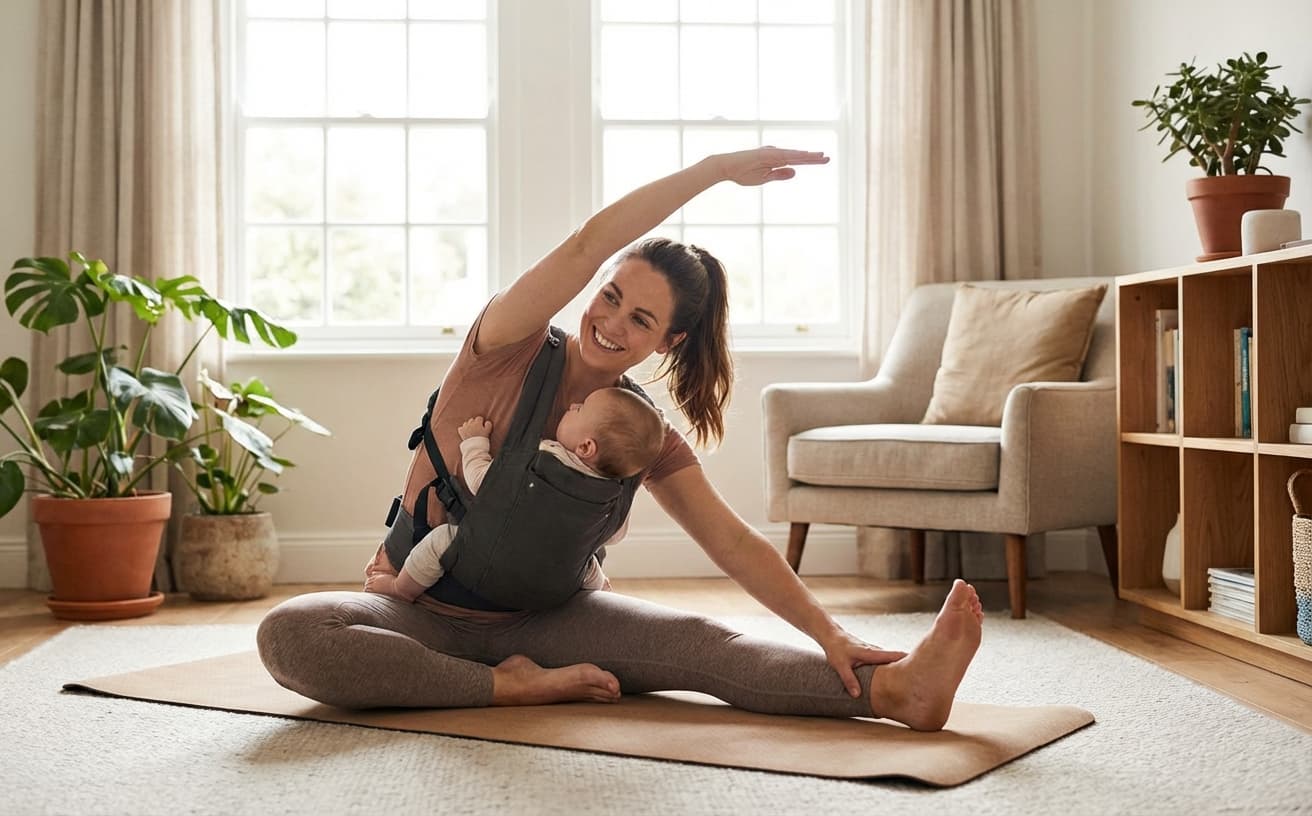
Most providers clear mothers for light activity at the 6-week postpartum visit. For those who had a C-section or complications, the timeline may be longer. Start with short daily walks — even 15 to 20 minutes — and gradually build from there as your body feels ready. Walking is one of the most effective and accessible tools for early postpartum weight loss, and it has the added bonus of getting fresh air and often calming a fussy baby.
Introduce Structured Exercise at 8–12 Weeks
By 8–12 weeks postpartum, many women are ready to begin more structured exercise. Strength training is particularly valuable, as it builds metabolically active muscle tissue, supports core and pelvic floor recovery, and improves posture after the hunching of newborn care. Begin with bodyweight movements and gradually add resistance.
Research confirms that moderate exercise does not affect the quality, volume, or taste of breast milk in a meaningful way — though it's a good idea to nurse or pump before an intense workout for comfort. Our fitness guides include postpartum-specific workout plans designed to be both effective and safe.
Focus on Pelvic Floor Health
Many postpartum women rush back to running or high-impact exercise, only to discover that their pelvic floor isn't ready. Signs of pelvic floor dysfunction — leaking urine, pressure, or pain — are common but not normal, and pushing through them can cause lasting issues. Work with a pelvic floor physical therapist if you have any of these symptoms before returning to high-impact activity.
What to Avoid When Trying to Lose Baby Weight
Several common weight loss approaches are not safe or appropriate while breastfeeding:
- Crash diets and severe calorie restriction: Eating fewer than 1,500–1,800 calories per day while breastfeeding is generally not recommended, as it can reduce milk supply and deprive your baby of key nutrients.
- Weight loss supplements, shakes, and detoxes: These products are not regulated for safety in breastfeeding mothers, and some ingredients can pass into breast milk. Avoid them entirely.
- Skipping meals: As discussed above, meal-skipping increases cortisol, reduces energy, and often leads to overeating later.
- Overexercising: Very intense exercise can temporarily elevate lactic acid in breast milk, and excessive calorie burn may compromise supply. Balance activity with adequate fueling.
The goal is to create a small, sustainable calorie deficit — not a dramatic one. Gradual progress is not only safer, it's more likely to last. Visit our wellness hub for more on sustainable, realistic approaches to postpartum health.
Managing Sleep Deprivation and Stress
No discussion of postpartum weight loss is complete without addressing the elephants in the room: sleep deprivation and stress. Both are nearly universal in new parenthood, and both have direct physiological effects on weight.
Poor sleep raises ghrelin (appetite-stimulating hormone), reduces leptin (satiety hormone), and elevates cortisol — a combination that makes overeating almost inevitable. Chronic stress compounds all of these effects and adds emotional eating to the mix.
You may not be able to control how much you sleep right now, but you can try to: sleep when the baby sleeps, accept help when it's offered, keep healthy snacks accessible so hunger doesn't lead to poor choices, and be genuinely compassionate with yourself. Weight loss will be slower during high-stress periods — and that's normal. It doesn't mean you're failing.
Frequently Asked Questions
Will breastfeeding alone help me lose weight?
Breastfeeding burns an estimated 300–500 calories per day, which creates a natural calorie deficit for many women. Some mothers do lose weight without intentional dieting or exercise. However, research results are mixed — other women find that hunger increases to compensate, and weight loss stalls until after weaning. Combining breastfeeding with a nutritious diet and gentle activity generally produces the most consistent results.
How many calories should I eat while breastfeeding and trying to lose weight?
Most lactation dietitians recommend consuming at least 1,800–2,000 calories per day while breastfeeding and aiming to lose weight — never going below 1,500 calories. The exact amount depends on your body size, activity level, and how much you're nursing. Working with a registered dietitian who specializes in postpartum nutrition can help you find the right target for your situation.
Can exercise reduce my milk supply?
Moderate exercise generally does not reduce milk supply. However, very intense exercise, severe calorie restriction paired with high exercise volume, and dehydration can negatively impact supply. Stay well-hydrated, fuel adequately, and ensure your overall calorie intake doesn't drop too low relative to your activity level.
Is it normal for weight loss to be very slow postpartum?
Completely. The postpartum period is physiologically unlike any other time in a woman's life. Hormones, sleep deprivation, stress, and the caloric demands of breastfeeding all create a complex environment. Many women find that weight loss accelerates naturally after weaning. In the meantime, focusing on feeling strong, nourished, and healthy is a more productive — and more compassionate — goal than a number on the scale.
This article is for informational purposes only and is not medical advice. Consult your healthcare provider before making health decisions.