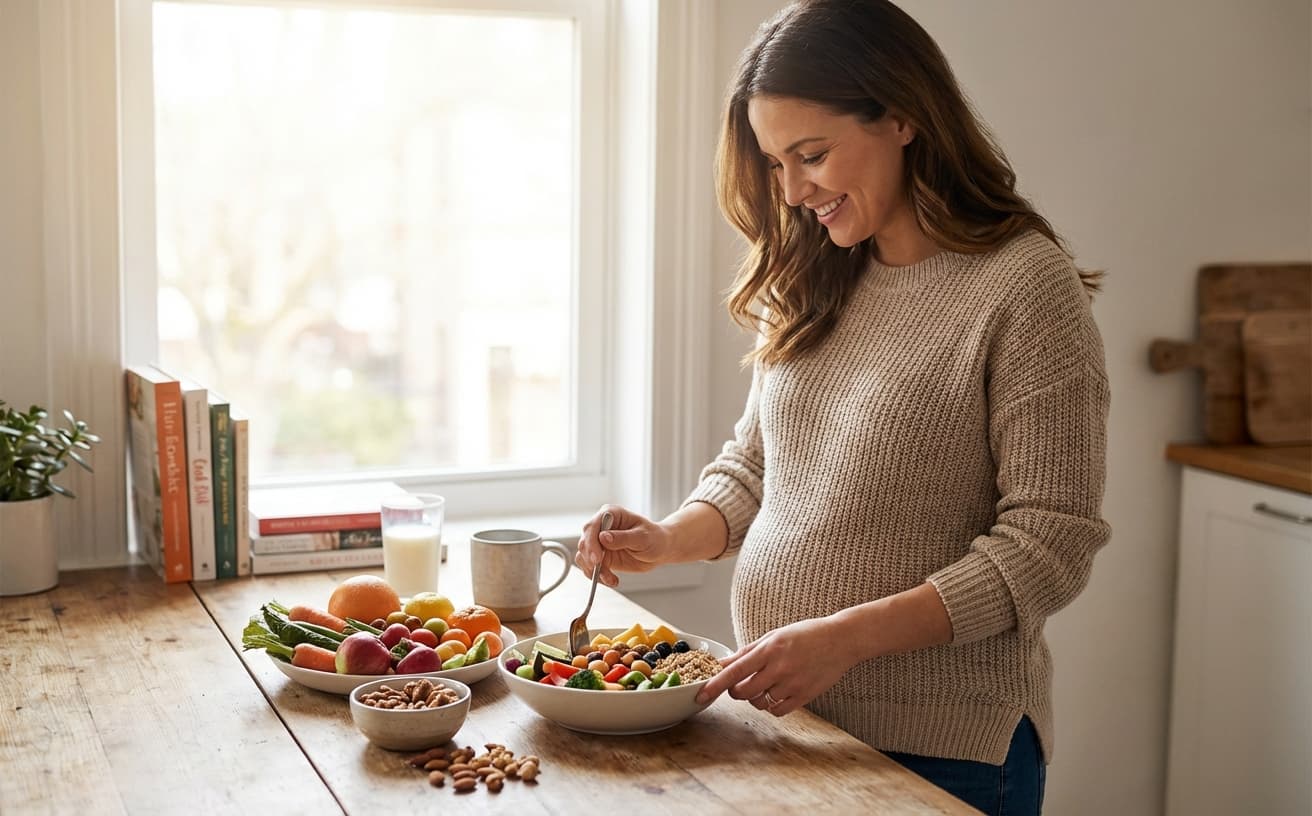
Pregnancy Diet: What to Eat and What to Avoid

Why Your Pregnancy Diet Matters So Much
Pregnancy transforms your body's nutritional needs almost overnight. Suddenly, what you eat is fueling not just your own energy and health, but the rapid development of a tiny human — from brain cells and bones to a beating heart. The Dietary Guidelines for Americans emphasize that building a healthy eating routine during pregnancy is one of the most important steps an expectant mother can take.
Most pregnant women need only an additional 340–452 calories per day — roughly the equivalent of a snack plus a small meal — but the quality of those calories matters enormously. Getting the right nutrients at the right times can support healthy fetal development, reduce the risk of complications, and help you feel your best throughout all three trimesters. For more on general nutrition guidance, explore our resource library.
Essential Nutrients During Pregnancy
Several nutrients become especially critical during pregnancy. Understanding what they do — and where to find them — makes it easier to build a diet that supports both you and your baby.
Folic Acid (Folate)
Folic acid is arguably the most important nutrient in early pregnancy. Research strongly links adequate folate intake to the prevention of neural tube defects — serious birth defects that affect the brain and spinal cord. Health organizations recommend 400–600 micrograms of folic acid daily, ideally beginning before conception and continuing through the first trimester.
Good food sources of folate include dark leafy greens like spinach and kale, fortified cereals, lentils, black beans, and orange juice. Most prenatal vitamins also contain folic acid, and the 2020–2026 Dietary Guidelines recommend supplementation because dietary intake alone may not be sufficient.
Iron
Your blood volume increases by up to 50% during pregnancy, which means your body needs significantly more iron to produce hemoglobin and prevent anemia. Iron deficiency during pregnancy is linked to premature birth, low birth weight, and postpartum depression in mothers.
Lean red meat, chicken, turkey, fish, beans, lentils, fortified cereals, and tofu are all good iron sources. Pairing iron-rich foods with vitamin C-rich foods — like squeezing lemon juice over spinach — enhances iron absorption. Your doctor may also recommend an iron supplement based on your blood work.
Calcium and Vitamin D
Your baby needs calcium to build strong bones and teeth, and if you don't consume enough, your body will pull it from your own bones. Dairy products, fortified plant-based milks, sardines, and leafy greens are excellent calcium sources. Vitamin D, found in fatty fish, fortified dairy, and eggs, works alongside calcium to support bone development and immune function.
Protein
Protein is the building block of every cell in your baby's body. During the second and third trimesters, protein needs increase significantly. Aim for lean proteins like chicken, turkey, fish (within the safe consumption limits outlined below), eggs, Greek yogurt, legumes, nuts, and seeds. Our nutrition guides include high-protein meal ideas for every trimester.
Omega-3 Fatty Acids (DHA)
DHA — a type of omega-3 found primarily in fatty fish — plays a critical role in fetal brain and eye development. The Dietary Guidelines recommend 8–12 ounces of low-mercury seafood per week during pregnancy. Good choices include salmon, shrimp, canned light tuna, sardines, and trout. Many prenatal vitamins also include DHA supplementation.
Iodine and Choline
Iodine supports thyroid function and the baby's brain development, while choline is critical for neural tube development and brain health — yet studies show that many pregnant women fall short of both. Dairy products, eggs, and seafood provide iodine; eggs and meat are among the best sources of choline. Look for a prenatal vitamin that includes both, as the Dietary Guidelines specifically highlight these as common nutritional gaps in pregnancy.
Best Foods to Eat During Pregnancy
Building your diet around whole, nutrient-dense foods gives your baby the best start. Here's a practical breakdown of the most valuable food groups:
- Vegetables and fruits: Load up on colorful produce — especially dark leafy greens, sweet potatoes, avocados, and berries. These provide folate, fiber, antioxidants, potassium, and vitamins A and C.
- Whole grains: Brown rice, oats, whole wheat bread, and quinoa provide sustained energy, B vitamins, and fiber that helps combat pregnancy constipation.
- Lean proteins: Chicken, turkey, eggs, beans, lentils, and low-mercury fish support fetal growth and keep you satiated.
- Dairy or fortified alternatives: Greek yogurt, milk, and cheese are rich in calcium, protein, and iodine. Plant-based options like fortified soy or almond milk also work well.
- Healthy fats: Avocado, olive oil, nuts, and seeds support the absorption of fat-soluble vitamins and contribute to fetal brain development.
Eating small, frequent meals can also help manage nausea — especially in the first trimester — while maintaining steady blood sugar levels throughout the day.
Foods to Avoid During Pregnancy
Certain foods carry risks during pregnancy that are minor for healthy adults but can be serious for developing babies. Knowing what to avoid — and why — helps you make confident choices at the grocery store and in restaurants.
High-Mercury Fish
Fish is an excellent source of DHA, but some fish contain dangerously high levels of mercury, which can damage your baby's developing nervous system. The FDA advises pregnant women to completely avoid shark, swordfish, king mackerel, bigeye tuna, tilefish, marlin, and orange roughy. Stick to low-mercury options like salmon, canned light tuna (not albacore), shrimp, cod, and sardines.
Raw or Undercooked Meat, Poultry, and Seafood
Raw or undercooked animal proteins can harbor Listeria, Salmonella, Toxoplasma, and E. coli — pathogens that are especially dangerous during pregnancy. Listeria can cross the placenta and cause miscarriage, stillbirth, or serious infection in newborns. All meat should be cooked to safe internal temperatures, and sushi with raw fish should be avoided entirely. Smoked, refrigerated seafood like lox is also on the avoid list unless heated thoroughly.
Deli Meats and Processed Meats
Pre-packaged deli meats, hot dogs, and lunch meats are frequent sources of Listeria contamination. If you want to eat deli meats, heat them until steaming hot to kill any potential bacteria. This is one food safety rule that catches many people off guard, since these foods seem perfectly safe under ordinary circumstances.
Unpasteurized Dairy and Soft Cheeses
Unpasteurized milk and cheeses made from unpasteurized milk can contain Listeria and other harmful bacteria. Soft cheeses like Brie, Camembert, queso fresco, queso blanco, and blue-veined cheeses are higher risk if unpasteurized. Hard cheeses and pasteurized soft cheeses are generally safe. When in doubt, read the label — and ask at restaurants.
Raw Eggs
Raw eggs and foods containing raw eggs — like homemade Caesar dressing, hollandaise sauce, certain cookie doughs, and raw batters — carry Salmonella risk. Stick to fully cooked eggs, and look for pasteurized egg products when a recipe calls for raw eggs.
Alcohol
There is no known safe amount of alcohol during pregnancy. Prenatal alcohol exposure is the leading preventable cause of developmental disabilities, and it can cause Fetal Alcohol Spectrum Disorders (FASDs) ranging from mild learning difficulties to severe physical and cognitive impairment. Every major health organization — including the CDC, the AAP, and the WHO — recommends complete abstinence from alcohol during pregnancy.
High Caffeine Intake
Research indicates that high caffeine intake during pregnancy may be associated with miscarriage, premature birth, and low birth weight. Most health guidelines suggest limiting caffeine to 200 milligrams per day (roughly one 12-ounce cup of coffee). Remember that caffeine is also present in tea, chocolate, energy drinks, and some sodas.
Liver and Organ Meats
While liver is rich in iron, it's also extremely high in vitamin A (retinol). Excessive retinol — not the beta-carotene form found in vegetables — can cause birth defects. Most guidelines recommend limiting liver consumption to occasional servings or avoiding it altogether during pregnancy.
Managing Common Pregnancy Nutrition Challenges
Even with the best intentions, pregnancy can make healthy eating difficult. Morning sickness, food aversions, heartburn, and fatigue are all common obstacles. Here are some practical strategies:
- For nausea: Eat small amounts frequently, choose bland foods like crackers and toast during flare-ups, and try ginger tea or ginger candies, which some research suggests may help reduce nausea.
- For food aversions: Work around them. If you can't stomach fish, get DHA from a supplement. If meat is unappealing, lean on eggs, dairy, and legumes for protein.
- For heartburn: Avoid spicy, fatty, or acidic foods, eat smaller meals, and avoid lying down immediately after eating.
- For constipation: Increase fiber through fruits, vegetables, and whole grains, and drink plenty of water throughout the day.
Many women find that taking their prenatal vitamin at night with food helps reduce nausea from the iron content. Talk to your OB or midwife if symptoms are severe — there are safe options available. Our wellness section has more tips on managing pregnancy symptoms naturally.
Should You Take Prenatal Vitamins?
Yes — and ideally before you even conceive. Prenatal vitamins are designed to bridge nutritional gaps that are hard to fill through diet alone, especially in the first trimester when nausea may limit what you can eat. Look for a prenatal vitamin that includes folic acid (at least 400 mcg), iron (27 mg), iodine (150 mcg), choline, vitamin D, and DHA.
Prenatal vitamins are not a replacement for a healthy diet — they're a safety net. The goal is to eat as well as possible and use your prenatal vitamin to fill in the gaps. Consult your pregnancy health team about which prenatal supplement is right for your specific needs.
Frequently Asked Questions
How many extra calories do I need during pregnancy?
Most pregnant women need about 340 extra calories per day in the second trimester and around 452 extra calories in the third trimester. The first trimester typically requires no additional calories. Focus on the quality of those extra calories — nutrient-dense snacks like Greek yogurt, nuts, and fruit go much further than empty-calorie foods.
Is it safe to eat fish during pregnancy?
Yes — fish is actually recommended during pregnancy as a source of DHA and protein. The key is choosing low-mercury varieties. Salmon, shrimp, canned light tuna, sardines, and cod are all safe choices. Aim for 8–12 ounces per week, and avoid high-mercury fish like shark, swordfish, and king mackerel entirely.
Can I drink coffee during pregnancy?
Most guidelines allow up to 200 milligrams of caffeine per day during pregnancy — roughly the amount in one 12-ounce cup of coffee. However, some research suggests that even moderate caffeine intake may carry some risk, so many women choose to reduce their intake further or eliminate it. Decaf is a safe alternative.
What if I have food cravings for unhealthy foods?
Cravings during pregnancy are extremely common and are not always fully understood. Occasional treats are fine — the key is maintaining an overall balanced diet. If you're craving non-food items like dirt, clay, or ice, talk to your doctor immediately, as this can signal a condition called pica that may indicate a nutritional deficiency.
This article is for informational purposes only and is not medical advice. Consult your healthcare provider before making health decisions.