High-Intensity Exercise During Pregnancy: Is It Actually Safe?
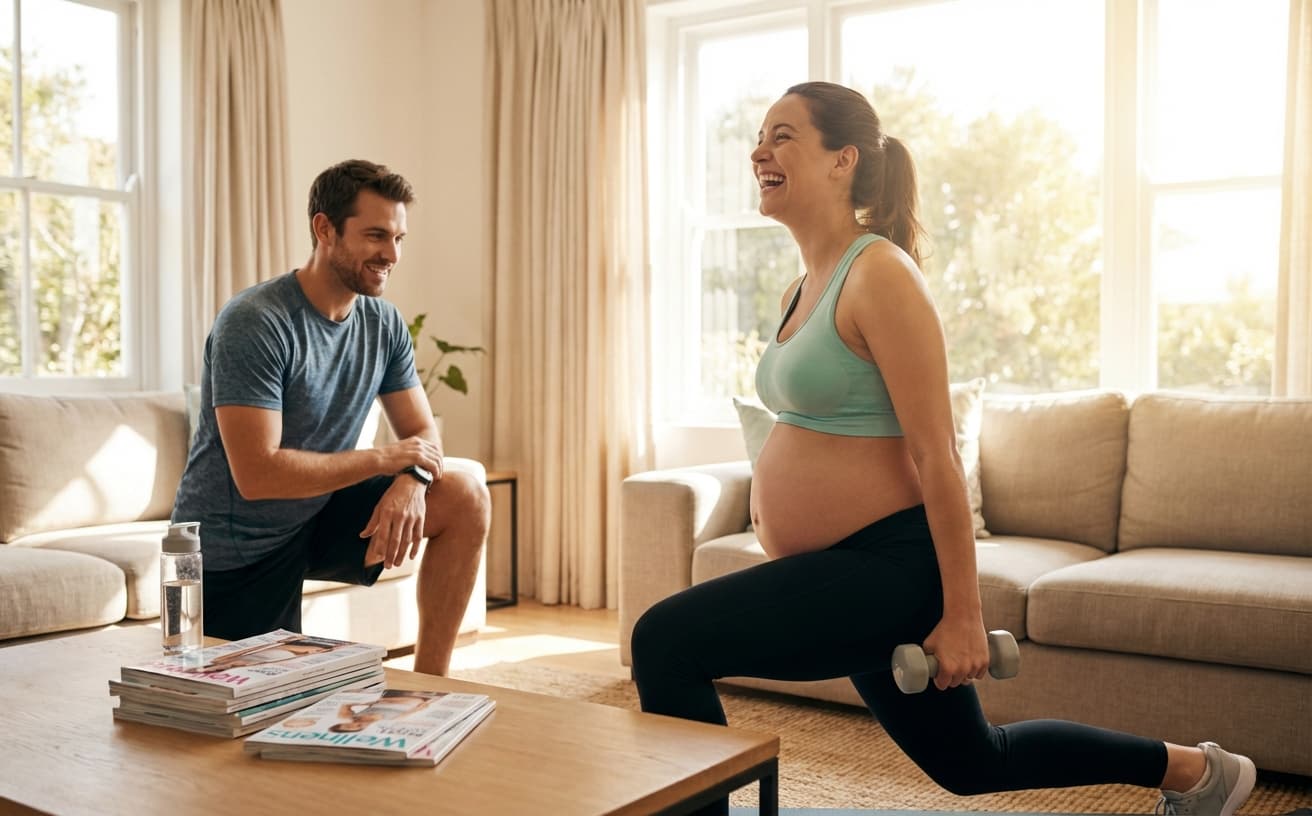
For decades, pregnant women heard the same refrain: slow down, take it easy, and save the hard workouts for after baby arrives. But emerging research on high-intensity exercise during pregnancy is flipping that script in a big way. Studies now suggest that pushing yourself harder at the gym may not only be safe for healthy pregnancies — it may actually protect you and your baby from serious complications.
So if you've been feeling guilty about that spin class or wondering whether you should hang up your running shoes, here's some genuinely encouraging news. Let's dig into what the science says.
What the Research Says About High-Intensity Exercise During Pregnancy
The old thinking was that any vigorous activity could put a developing baby at risk. But newer studies are painting a very different picture.
One notable study found that even when pregnant participants reached around 90% of their maximum heart rate during high-intensity interval training (HIIT), researchers found no evidence of harm to the fetus. That's a striking finding, and it's changing the conversation about what's really safe for expecting mothers.
Other research has shown that vigorous exercisers had fewer pregnancy complications — including high blood pressure and gestational diabetes — compared to those who stuck to light activity or skipped exercise altogether. In other words, breaking a serious sweat may actually be doing your body a favor.
How Intense Exercise May Protect Against Pregnancy Complications
Some of the most exciting findings center on two conditions that affect millions of pregnancies every year: gestational diabetes (GDM) and preeclampsia.
Gestational Diabetes
Studies suggest that the incidence of GDM may be reduced when an exercise routine is:
- Started in the first trimester
- Supervised by a qualified professional
- Performed at light-to-moderate or moderate intensity
Research also found that a high volume of moderate-intensity exercise — at least 264 minutes per week, or roughly 38 minutes a day — was associated with reduced risks of abnormal screening glucose and GDM. That's not much more than what the CDC already recommends.
Preeclampsia and Hypertension
Preeclampsia is a serious condition marked by dangerously high blood pressure. Emerging evidence suggests that consistent, vigorous exercise during pregnancy may offer some protective benefits against both preeclampsia and gestational hypertension.
If you're navigating pregnancy health decisions, this is the kind of research worth discussing with your doctor.
Weightlifting During Pregnancy: More Than Just Cardio
It's not just about running and cycling. Recreational weightlifting is getting a closer look too, and the results may surprise you.
Research suggests that lifting weights above 20 pounds during pregnancy was associated with reduced odds of several complications, including:
- Gestational hypertension
- Gestational diabetes
- Mood disorders
- Excessive fetal growth (macrosomia)
So if the weight room has always been your happy place, the evidence suggests you may not need to abandon it when that pregnancy test turns positive. Of course, form and safety still matter — and your healthcare provider should be in the loop.
For more on staying strong throughout your journey, check out our fitness resources.
What About the Risks Everyone Worries About?
Let's address the elephant in the room: the fear that exercise could cause a miscarriage, preterm birth, or other harm. Here's what the data actually shows.
Moderate exercise during pregnancy has not been shown to:
- Cause cervical shortening
- Increase the risk of miscarriage
- Increase the risk of fetal loss
- Increase the risk of preterm birth
- Reduce the mean gestational age at delivery
That's a powerful list of "no, it doesn't do that." For many women, these fears are the biggest barrier to staying active. But the research consistently shows that moderate exercise is not the villain it was once made out to be.
This doesn't mean every activity is appropriate for every person or every stage of pregnancy. But for healthy pregnancies, the evidence is reassuring.
How Much Exercise Should You Actually Get?
The CDC recommends 150 minutes of moderate-intensity aerobic activity per week during pregnancy. That works out to about 30 minutes a day, five days a week — a brisk walk, a swim, or a prenatal fitness class.
But as we've seen, research suggests that higher volumes — around 264 minutes per week — may offer even greater protection against gestational diabetes. That's roughly 38 minutes a day, seven days a week.
Here's a simple way to think about it:
- Minimum goal: 150 minutes per week of moderate activity (CDC recommendation)
- Enhanced benefit: 264+ minutes per week may offer additional protection against GDM
- Higher intensity: Studies suggest HIIT and vigorous exercise may be safe for healthy pregnancies, but should be discussed with your provider
The key takeaway? More may actually be better, as long as you're healthy and your doctor gives the green light.
High-Intensity Exercise During Pregnancy: Smart Guidelines to Follow
Excited to keep up your workout routine? Here are some evidence-backed guidelines to keep in mind:
- Talk to your healthcare provider first. This is non-negotiable, whether you're starting a new routine or continuing an existing one.
- Start early if possible. Research suggests that beginning an exercise program in the first trimester may offer the greatest benefits for reducing GDM risk.
- Consider supervised sessions. Studies showing the best outcomes often involved supervised exercise programs.
- Listen to your body. Pregnancy changes everything — your center of gravity, your joints, your energy levels. Adjust as needed.
- Stay hydrated and avoid overheating. These basics become even more important when you're exercising for two.
- Know when to stop. Vaginal bleeding, dizziness, chest pain, or regular contractions during exercise mean it's time to call your doctor.
Your postpartum recovery may also benefit from maintaining strength and cardiovascular fitness throughout your pregnancy.
The Mental Health Connection
The benefits aren't just physical. Remember that finding about weightlifting and reduced odds of mood disorders? That's a big deal.
Pregnancy can be an emotional rollercoaster, and exercise is one of the most powerful natural tools for managing stress, anxiety, and mood swings. Whether it's a brisk walk, a yoga session, or a round of deadlifts, movement may help keep your mental health on steadier ground.
Research also suggests that staying active during pregnancy may lower your risk of postpartum depression. Higher levels of physical activity during pregnancy have been consistently associated with improved postpartum mental health outcomes, including reduced depressive symptoms and lower anxiety. So the benefits of exercising now may extend well beyond delivery day.
Building a strong fitness foundation during pregnancy can also make your postpartum recovery smoother and faster. Many women who maintain an exercise routine while pregnant report feeling more confident and capable as they transition into new motherhood.
Taking care of your emotional wellbeing is just as important as the physical stuff. If you're curious about how nutrition plays into your overall mood and energy, our nutrition guides are a great place to start.
When High-Intensity Exercise May Not Be Right for You
It's important to note that the research we've discussed focuses on healthy pregnancies. Certain conditions may require modified activity or bed rest, including:
- Placenta previa
- Preeclampsia or pregnancy-induced hypertension (already present)
- Cervical insufficiency
- Multiple pregnancies with risk factors for preterm labor
- Persistent vaginal bleeding
Always consult your healthcare provider before starting or continuing any exercise program during pregnancy. What's safe for one person may not be safe for another, and your provider knows your specific situation best.
Understanding your gut health can also play a role in how you feel during workouts and pregnancy overall.
Frequently Asked Questions
Can high-intensity exercise cause a miscarriage?
Research has not shown that moderate exercise increases the risk of miscarriage, fetal loss, or preterm birth in healthy pregnancies. One study even found no evidence of fetal harm when participants reached around 90% of their max heart rate during HIIT. However, every pregnancy is different, so it's essential to discuss your specific exercise plan with your healthcare provider.
How many minutes of exercise per week is recommended during pregnancy?
The CDC recommends at least 150 minutes of moderate-intensity aerobic activity per week during pregnancy. Some research suggests that higher volumes — around 264 minutes per week (about 38 minutes daily) — may offer additional protection against gestational diabetes. Talk to your provider about what's right for you.
Is it safe to lift weights during pregnancy?
Studies suggest that recreational weightlifting — including lifting above 20 pounds — may be associated with reduced odds of gestational hypertension, gestational diabetes, mood disorders, and excessive fetal growth. Proper form and medical clearance are essential. Your provider can help you determine safe weight limits based on your fitness level and pregnancy.
When should I stop exercising during pregnancy?
Stop exercising and contact your healthcare provider immediately if you experience vaginal bleeding, dizziness, headache, chest pain, calf pain or swelling, regular contractions, or fluid leaking from the vagina. Even if you feel fine, always keep your provider informed about your activity level throughout your pregnancy.
This article is for informational purposes only and is not medical advice. Consult your healthcare provider before making health decisions.