Postpartum Hair Loss: Why It Happens and What Actually Helps

What Is Postpartum Hair Loss?
You survived nine months of pregnancy, powered through labor, and now you're adjusting to life with a newborn. The last thing you need is clumps of hair clogging the shower drain. But if you're noticing more shedding than usual a few months after giving birth, you're far from alone.
Postpartum hair loss, known medically as telogen effluvium, affects an estimated 40 to 50 percent of new mothers. It's one of those things nobody really warns you about during pregnancy, even though it's incredibly common. The good news? It's almost always temporary, and there's plenty you can do to support your hair as it recovers.
Why Does Hair Fall Out After Pregnancy?
To understand postpartum hair loss, it helps to know a little about how your hair grows in the first place. Hair follows a natural cycle of growing, resting, and shedding. At any given time, about 85 to 95 percent of your hair is in the active growth phase, called anagen.
During pregnancy, elevated estrogen levels essentially hit the pause button on shedding. That's why so many women enjoy thicker, more luscious hair while they're expecting. Your hair isn't actually growing faster — it's just not falling out at its usual rate.
After delivery, estrogen levels drop rapidly back to their pre-pregnancy baseline. All those hairs that were happily hanging on suddenly enter the resting phase (telogen) at the same time. A few months later, they start to fall out — and because so many follicles are shedding simultaneously, the volume of hair loss can feel alarming.
Other Contributing Factors
Hormonal shifts are the primary driver, but they're not the only factor. Several other postpartum realities can compound the problem:
- Nutritional deficiencies: Blood tests of postpartum women frequently reveal low levels of iron, vitamin D, zinc, and B vitamins — all of which play critical roles in hair health.
- Sleep deprivation: Those late-night feedings take a toll on more than just your energy. Poor sleep can increase stress hormones that may contribute to shedding.
- Thyroid changes: Postpartum thyroiditis affects roughly 5 to 10 percent of women and can cause hair thinning that mimics or worsens telogen effluvium.
- Stress: The physical and emotional demands of new parenthood can amplify hair loss triggered by hormonal changes.
The Postpartum Hair Loss Timeline
Understanding the typical timeline can help ease anxiety about what you're experiencing. Here's what most new moms can expect:
- Months 1 to 2 postpartum: Hair may still look full and healthy. The hormonal shift has started, but hair hasn't entered the shedding phase yet.
- Months 3 to 4 postpartum: This is when most women notice significant shedding. Hair loss typically peaks around the four-month mark.
- Months 5 to 8 postpartum: Shedding gradually slows down. You may notice short baby hairs growing in along your hairline — a sign that regrowth is underway.
- Months 9 to 12 postpartum: Most women see their hair returning to its pre-pregnancy fullness by their baby's first birthday.
If your hair hasn't returned to normal after about 12 months, the American Academy of Dermatology recommends seeing a dermatologist. Something else may be going on, such as an iron deficiency or thyroid issue that needs treatment.
Nutrients That Support Hair Regrowth
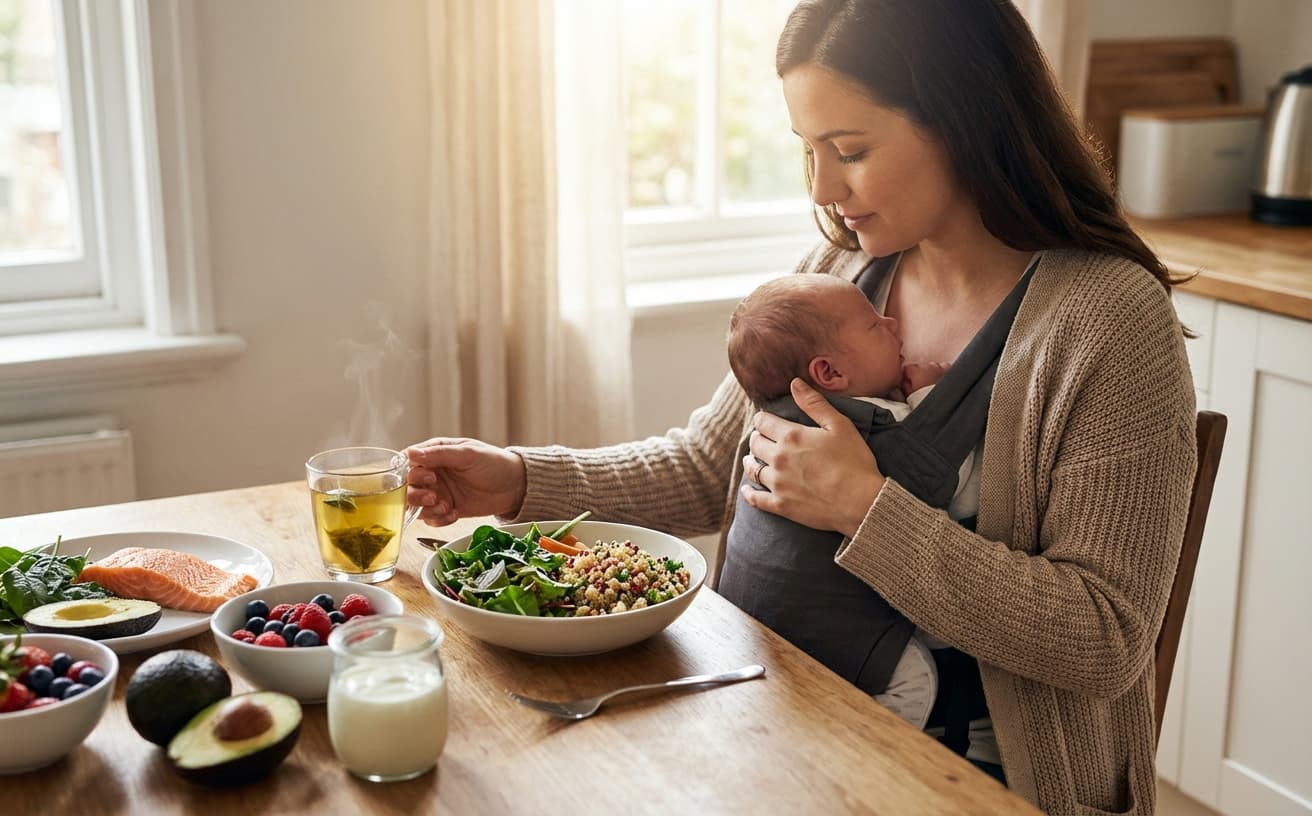
While you can't completely prevent postpartum hair loss (it's a natural hormonal process), making sure your body has the right building blocks may help support healthier, faster regrowth. Here are the key nutrients to focus on:
Iron
Iron deficiency is one of the most common nutritional gaps in postpartum women, and it's directly linked to hair loss. Iron helps red blood cells carry oxygen to your hair follicles, fueling the growth process. Good sources include lean red meat, spinach, lentils, and fortified cereals.
Biotin (Vitamin B7)
Biotin supports keratin production, which is the protein that makes up your hair. While severe biotin deficiency is rare, studies suggest that supplementation may help stimulate follicle growth in women with thinning hair. You can find biotin naturally in eggs, nuts, seeds, and sweet potatoes.
Vitamin D
Vitamin D plays a direct role in keeping hair follicles healthy and active. It may help follicles return to the growing phase more efficiently as your hormone levels stabilize. Many postpartum women are low in vitamin D, especially during winter months or if they're spending most of their time indoors with a newborn.
Zinc
Zinc contributes to hair tissue growth and repair, and it helps keep the oil glands around your follicles functioning properly. Oysters, beef, pumpkin seeds, and chickpeas are all excellent sources.
Omega-3 Fatty Acids
These healthy fats may reduce inflammation around hair follicles and promote thicker, shinier growth. Fatty fish like salmon, walnuts, chia seeds, and flaxseed are great options that also support your overall postpartum recovery.
Practical Remedies That May Help
Beyond nutrition, there are several practical strategies that dermatologists and trichologists recommend for managing postpartum hair loss:
Be Gentle With Your Hair
Your hair is more fragile during the shedding phase, so treat it with care. Avoid tight ponytails, braids, or hairstyles that pull on the roots. Use a wide-tooth comb instead of a brush, and try to minimize heat styling with blow dryers, flat irons, and curling wands.
Switch to Volumizing Products
Volumizing shampoos contain ingredients like proteins that coat each strand, making hair appear fuller and thicker. Lightweight conditioners applied only to the ends can add moisture without weighing hair down. Avoid heavy conditioners or oil-based products near your scalp.
Try Scalp Massage
Gently massaging your scalp with your fingertips or a scalp massager may improve blood circulation to the follicles. Some women like to use a few drops of natural oils — like coconut, argan, or rosemary oil — during massage, though the circulation boost itself is likely the main benefit.
Consider a Silk Pillowcase
Cotton pillowcases can catch fragile postpartum hair and cause breakage while you sleep. Switching to a silk or satin pillowcase creates less friction, which may help you hold onto more of your hair during this vulnerable phase.
Continue Your Prenatal Vitamins
Many healthcare providers recommend continuing your prenatal supplement after delivery, especially if you're breastfeeding. Prenatals typically contain iron, zinc, vitamin D, and B vitamins — all of which support hair health. Some women also add a dedicated postpartum hair supplement for extra biotin and collagen support.
What About Medical Treatments?
For most women, postpartum hair loss resolves on its own without medical intervention. However, if shedding is severe or doesn't improve after a year, a dermatologist may suggest additional options:
- Minoxidil: This FDA-approved topical treatment promotes hair regrowth by stimulating blood flow to the scalp and extending the growth phase of hair follicles. It's available over the counter but should be discussed with your doctor first, especially if you're breastfeeding.
- Low-level laser therapy: Some studies suggest that laser devices designed for home use may help stimulate follicle activity, though evidence is still emerging.
- Blood work: Your doctor may check your iron, ferritin, thyroid, and vitamin D levels to rule out underlying deficiencies that could be prolonging hair loss.
Always consult your healthcare provider before starting any new supplement or treatment, particularly while breastfeeding.
The Emotional Side of Postpartum Hair Loss
Let's be honest — losing your hair after having a baby can feel devastating, even when you know it's temporary. Your body has already been through enormous changes, and watching your hair thin out can feel like one more thing that's out of your control.
If postpartum hair loss is affecting your self-confidence or contributing to feelings of anxiety or sadness, know that those feelings are valid. Talking to other moms who've been through it can be reassuring. Many women find it helpful to experiment with new hairstyles — shorter cuts or layered styles can make thinning hair look fuller.
It's also worth noting that postpartum hair loss can overlap with postpartum mood disorders. If you're feeling persistently sad, anxious, or overwhelmed, reach out to your healthcare provider. There's no need to struggle through it alone.
When to See a Doctor
While postpartum hair loss is normal, certain signs warrant professional attention:
- Hair loss that continues beyond 12 months postpartum
- Patchy bald spots rather than overall thinning
- Hair loss accompanied by extreme fatigue, weight changes, or mood shifts (which could signal a thyroid issue)
- Significant hair loss that started during pregnancy rather than after delivery
A dermatologist can help determine whether what you're experiencing is typical telogen effluvium or something that needs targeted treatment.
Frequently Asked Questions
How much hair loss is normal after having a baby?
It's normal to shed about 50 to 100 hairs per day under regular circumstances. During postpartum telogen effluvium, that number can jump to 300 or more hairs per day. While it can look alarming — especially in the shower or on your brush — this level of shedding is considered normal for the postpartum period and is almost always temporary.
Can breastfeeding make postpartum hair loss worse?
Breastfeeding itself doesn't directly cause more hair loss. However, the nutritional demands of breastfeeding can deplete your stores of iron, zinc, and other nutrients that support hair health. Making sure you're eating a balanced, nutrient-rich diet and continuing your prenatal vitamins may help offset this effect.
Does postpartum hair loss happen with every pregnancy?
Not necessarily. Some women experience noticeable shedding after one pregnancy but not another. The severity can vary between pregnancies depending on your hormone levels, nutritional status, stress levels, and overall health. There's no reliable way to predict whether it will happen or how severe it will be.
Will coloring or highlighting my hair make postpartum hair loss worse?
Chemical hair treatments don't cause telogen effluvium, since that's driven by hormonal changes. However, harsh chemicals, bleach, and heat processing can weaken already-fragile postpartum hair, potentially causing additional breakage. If you want to color your hair, consider gentler options like semi-permanent dyes or highlights that don't touch the scalp.
This article is for informational purposes only and is not medical advice. Consult your healthcare provider before making health decisions.