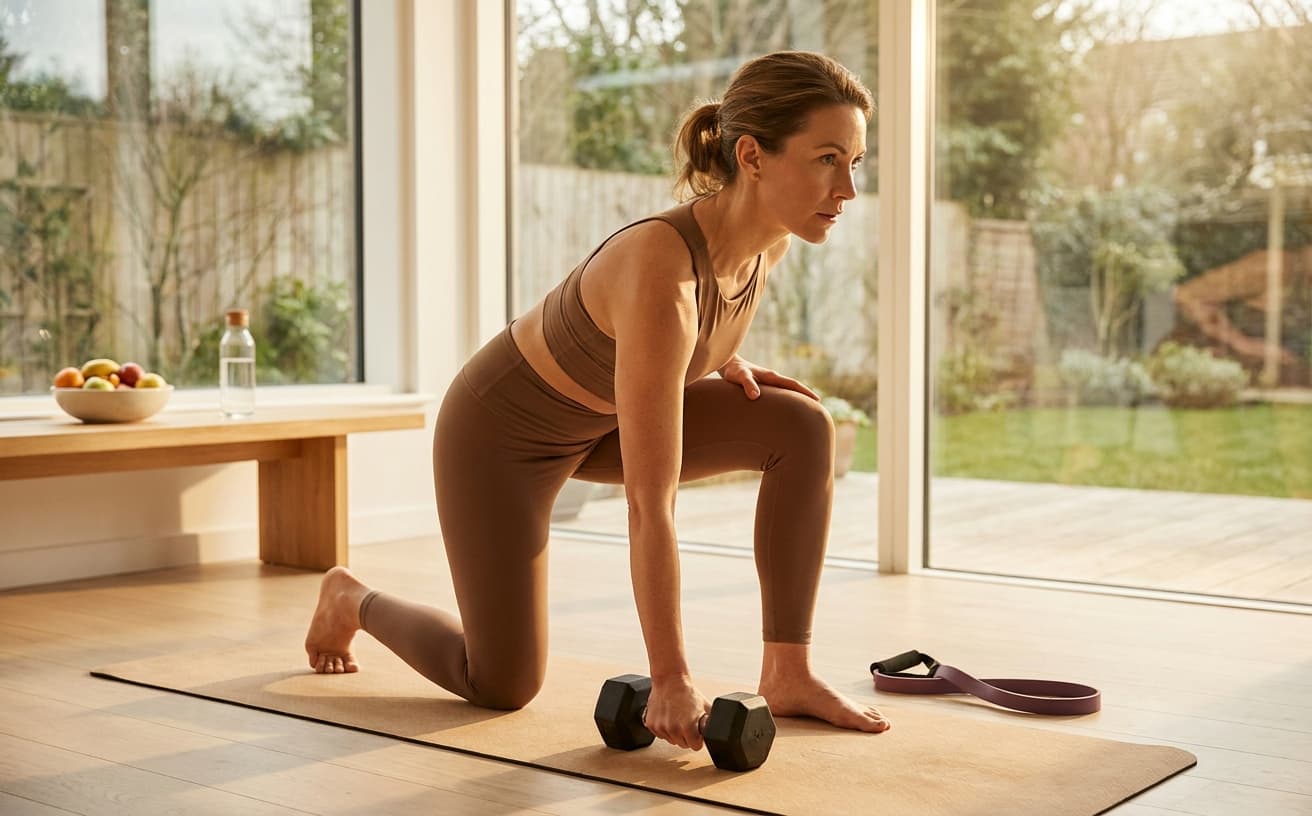
Cycle Syncing: How to Align Your Workouts and Diet With Your Menstrual Cycle

What Is Cycle Syncing and Why Is Everyone Talking About It?
If you've ever noticed that some weeks you're crushing your workouts and other weeks you can barely drag yourself to the gym, your hormones might have something to do with it. Cycle syncing is the practice of adjusting your diet, exercise, and lifestyle to match the natural hormonal shifts that happen throughout your menstrual cycle.
The concept has exploded in popularity in 2026, with wellness experts and fitness influencers alike embracing the idea that working with your body's rhythms — rather than against them — may help you feel more balanced, energized, and in tune with yourself.
But here's the important caveat: while many women report feeling better when they sync their habits to their cycle, the scientific evidence is still evolving. A review published in Frontiers in Sports and Active Living found no consistent evidence that menstrual cycle phase significantly impacts strength performance or muscle-building adaptations. And researchers at McMaster University found that exercising at various points in the cycle had no measurable impact on muscle protein synthesis.
So does that mean cycle syncing is useless? Not exactly. The real value may lie in body awareness — learning to listen to your energy levels, cravings, and mood shifts rather than pushing through a rigid routine every single day.
Understanding the Four Phases of Your Menstrual Cycle
Before you can sync anything, you need to understand what's actually happening in your body. A typical menstrual cycle lasts about 28 days, though anywhere from 21 to 35 days is considered normal. It's divided into four distinct phases, each driven by different hormonal patterns.
Menstrual Phase (Days 1–5)
This is when your period arrives. Estrogen and progesterone drop to their lowest levels, which is why many women feel fatigued, crampy, or emotionally drained during this time. Your body is shedding the uterine lining, and it's working hard behind the scenes.
Follicular Phase (Days 6–14)
After your period ends, your body starts preparing for ovulation. Estrogen begins to rise steadily, and many women notice a gradual increase in energy, motivation, and mood. Follicle-stimulating hormone (FSH) signals your ovaries to prepare an egg for release.
Ovulatory Phase (Days 15–17)
This is your hormonal peak. Estrogen and testosterone both surge, and luteinizing hormone (LH) triggers the release of a mature egg. Most women feel their most energetic, confident, and social during this brief window.
Luteal Phase (Days 18–28)
After ovulation, progesterone rises to prepare the uterine lining for a potential pregnancy. If the egg isn't fertilized, both progesterone and estrogen drop toward the end of this phase, which often brings on PMS symptoms like bloating, mood swings, and cravings.
Cycle Syncing Your Workouts: What to Do in Each Phase
The core idea behind cycle syncing your fitness routine is simple: match the intensity of your workouts to your energy levels. Here's a phase-by-phase breakdown.
Menstrual Phase Workouts
When your energy is at its lowest, this isn't the time to force a PR. Instead, focus on gentle, restorative movement that supports recovery without adding stress to your body.
- Best activities: Yoga, stretching, light walking, Pilates, or simply resting
- Intensity: Low — listen to your body and skip the workout if you need to
- Why it works: Low hormone levels mean your body is in recovery mode, and pushing too hard may leave you feeling more drained
That said, if you feel great during your period, there's no medical reason to avoid intense exercise. Some women perform perfectly well during menstruation. The key is tuning into how you feel.
Follicular Phase Workouts
As estrogen climbs, you'll likely notice your energy returning. This is a great time to gradually ramp up workout intensity and try new things.
- Best activities: Jogging, cycling, hiking, dance classes, moderate strength training
- Intensity: Moderate — build up gradually as your energy increases
- Why it works: Rising estrogen may support better endurance and motivation
Ovulatory Phase Workouts
This is your power phase. With estrogen and testosterone at their peak, many women find they can push harder and recover faster during ovulation.
- Best activities: HIIT, heavy strength training, sprint intervals, kickboxing, spinning
- Intensity: High — take advantage of peak energy levels
- Why it works: Hormone peaks may support greater power output and faster recovery
One important note: Some research suggests that estrogen peaks during ovulation may slightly increase joint laxity, potentially raising injury risk. Warm up thoroughly and focus on proper form during intense sessions.
Luteal Phase Workouts
As progesterone rises and then falls, your energy may dip — especially in the late luteal phase when PMS symptoms kick in. Scale back accordingly.
- Best activities: Moderate strength training (early luteal), yoga, swimming, walking, tai chi (late luteal)
- Intensity: Moderate tapering to low
- Why it works: Higher progesterone raises your basal body temperature and may make intense exercise feel harder
Cycle Syncing Your Nutrition: What to Eat in Each Phase
Your nutritional needs shift throughout your cycle too. While you don't need to overhaul your entire diet, making small adjustments may help you feel better and support your hormonal health.
Menstrual Phase Nutrition
Focus on replenishing what your body loses during menstruation, especially iron and key minerals.
- Iron-rich foods: Spinach, red meat, lentils, beans, dark chocolate
- Vitamin C: Oranges, bell peppers, broccoli — these help your body absorb iron more efficiently
- Anti-inflammatory foods: Salmon, turmeric, ginger, walnuts
- Warm, comforting foods: Soups, stews, and herbal teas can feel especially soothing
Many women crave comfort foods during their period, and that's completely normal. The goal isn't restriction — it's nourishment.
Follicular Phase Nutrition
With rising estrogen, your body is primed for growth and repair. Focus on lean proteins and energizing foods.
- Lean proteins: Chicken, fish, tofu, eggs
- Complex carbohydrates: Quinoa, brown rice, sweet potatoes, oats
- Healthy fats: Avocado, nuts, seeds, olive oil
- Fresh vegetables: Leafy greens, artichokes, broccoli sprouts
Ovulatory Phase Nutrition
Your metabolism is humming along, and your body can handle lighter, nutrient-dense meals during this high-energy window.
- Fiber-rich vegetables: Brussels sprouts, asparagus, bell peppers
- Antioxidant-rich fruits: Berries, cherries, pomegranate
- Cruciferous vegetables: These may help your body metabolize the estrogen surge
- Lighter proteins: Fish, legumes, tempeh
Luteal Phase Nutrition
As progesterone rises, so do cravings — especially for carbs and sweets. Here's how to work with those cravings rather than fighting them.
- Complex carbohydrates: Whole grains, root vegetables, brown rice — these support serotonin production and may help stabilize mood
- Magnesium-rich foods: Dark chocolate, pumpkin seeds, bananas — magnesium may help reduce cramps and improve sleep
- B6-rich foods: Chickpeas, salmon, potatoes — B6 supports progesterone production
- Calcium-rich foods: Yogurt, leafy greens, almonds — studies suggest calcium may help ease PMS symptoms
How to Start Cycle Syncing: A Practical Guide
Getting started with cycle syncing doesn't require a complete lifestyle overhaul. Here's a simple, step-by-step approach.
Step 1: Track Your Cycle
Before you can sync anything, you need to know where you are in your cycle. Use a period-tracking app or a simple calendar to log the first day of your period each month. After two to three months, you'll start to see your pattern.
Step 2: Start a Symptom Journal
For one full cycle, jot down how you feel each day — your energy level, mood, cravings, sleep quality, and workout performance. This personal data is far more valuable than any generic chart because every woman's cycle is different.
Step 3: Make Small Adjustments
Don't try to change everything at once. Start with one area — like adjusting your workout intensity — and see how it feels. Once that becomes second nature, layer in nutritional changes.
Step 4: Stay Flexible
Cycle syncing is a framework, not a rulebook. If you feel amazing during your period and want to do a hard workout, go for it. If you're exhausted during ovulation, rest. Your body knows best.
Who Should Try Cycle Syncing — and Who Should Skip It
Cycle syncing may be especially helpful for women who experience significant energy fluctuations throughout their cycle, those dealing with PMS symptoms, or anyone who feels like their current fitness routine isn't working with their body.
However, cycle syncing may not apply to everyone:
- Women on hormonal birth control: Hormonal contraceptives suppress natural hormonal fluctuations, so the four-phase model doesn't fully apply
- Women with irregular cycles: Conditions like PCOS or hypothalamic amenorrhea can make cycle tracking unreliable
- Pregnant or postpartum women: Your hormonal landscape is entirely different — check out our pregnancy and postpartum resources instead
If you have concerns about your menstrual cycle or hormonal health, talk to your healthcare provider before making significant changes.
The Bottom Line on Cycle Syncing
Cycle syncing isn't a magic bullet, and the science behind it is still catching up to the hype. But at its core, it's about something genuinely valuable: paying attention to your body and adjusting your habits accordingly.
Whether or not hormonal fluctuations measurably impact your performance, learning to recognize your energy patterns, honor your rest days, and fuel your body based on how you feel is a win in any framework.
Think of cycle syncing as one more tool in your wellness toolkit — not a rigid program, but a flexible approach to living more in tune with your body's natural rhythms.
Frequently Asked Questions
Does cycle syncing actually work?
The anecdotal evidence is strong — many women report feeling better when they adjust their routines to their cycle. However, current scientific research has not found consistent evidence that menstrual cycle phase significantly affects exercise performance or muscle building. The real benefit may come from increased body awareness and self-care rather than hormonal optimization.
Can I cycle sync if I'm on birth control?
Hormonal birth control suppresses the natural hormonal fluctuations that cycle syncing is based on, so the traditional four-phase model may not fully apply. However, you can still practice intuitive movement — adjusting your workouts and nutrition based on how you feel each day — regardless of birth control use.
How long does it take to see results from cycle syncing?
Most women need two to three full cycles (about two to three months) to really notice a difference. The first cycle is usually about tracking and learning your patterns. By the second or third cycle, you'll have enough personal data to make meaningful adjustments.
Do I need to change my diet drastically for each phase?
Not at all. Cycle syncing nutrition is about making small, supportive adjustments — like adding more iron-rich foods during your period or increasing complex carbs during the luteal phase. You don't need a completely different meal plan for each phase. A generally balanced, nutrient-dense diet is the foundation, with minor tweaks based on your cycle.
This article is for informational purposes only and is not medical advice. Consult your healthcare provider before making health decisions.