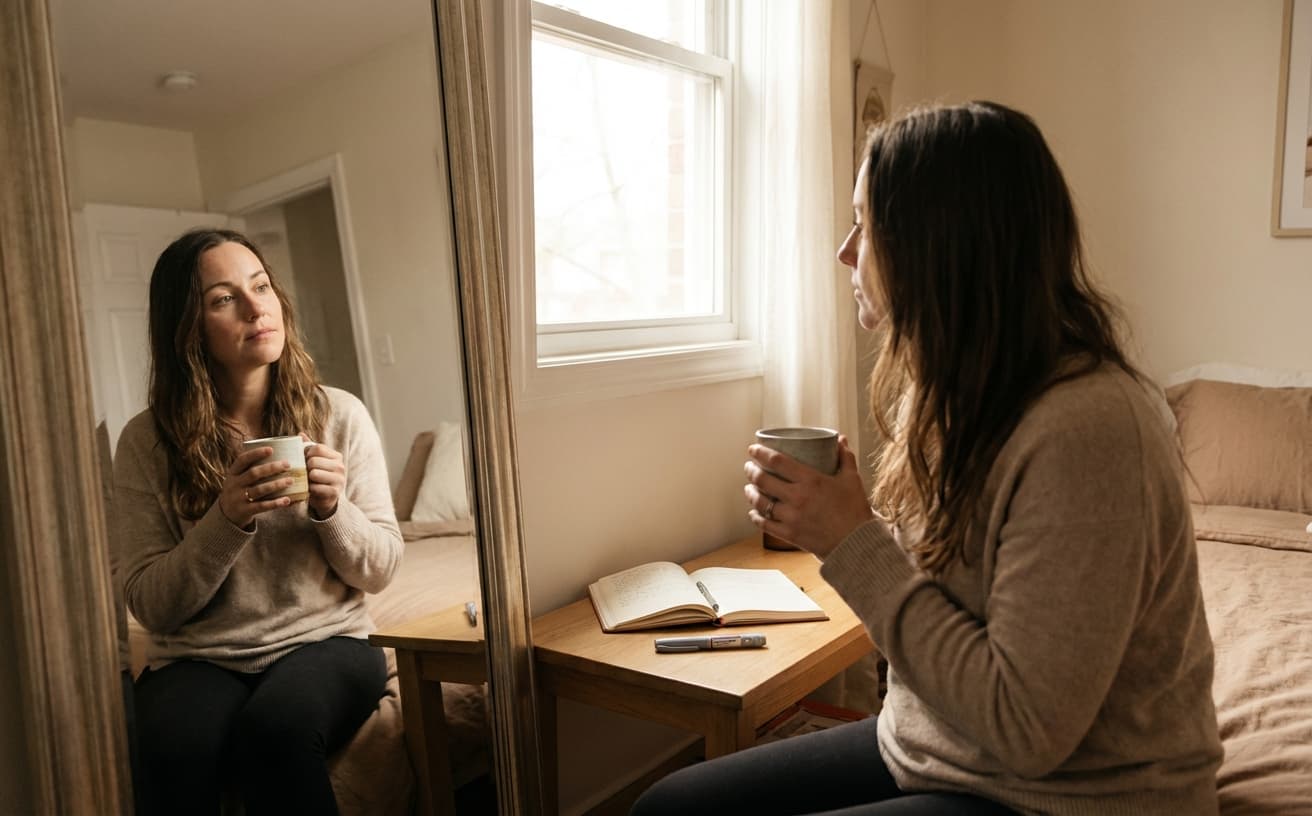
Social Media and Body Dysmorphia: How Scrolling Affects the Way You See Yourself

The Rise of Social Media and Body Dysmorphia
We live in an era of filters, face-tuning apps, and carefully curated highlight reels. While social media has connected billions of people around the world, it's also created an environment where unrealistic beauty standards are the norm — and the mental health consequences are becoming impossible to ignore.
Body dysmorphic disorder (BDD) is a mental health condition where a person becomes intensely preoccupied with perceived flaws in their appearance — flaws that are often minor or invisible to others. And in 2026, researchers are sounding the alarm about the role social media plays in triggering and worsening these symptoms.
An estimated 1 in 50 people in the United States struggle with body dysmorphia, though experts believe the true number may be significantly higher due to underreporting. A recent cross-generational study found that nearly one in four survey respondents screened positive for body dysmorphic symptoms — far exceeding the estimated clinical rate of 2%.
How Social Media Fuels Body Dysmorphia
It's not just about looking at pretty pictures. The way social media platforms are designed — algorithmically rewarding engagement, promoting idealized images, and encouraging constant comparison — creates a perfect storm for body image distress.
The Comparison Trap
Social comparison theory tells us that humans naturally evaluate themselves by comparing to others. Social media turbocharges this instinct. Instead of comparing yourself to the handful of people in your daily life, you're now measuring up against thousands of filtered, edited, and professionally lit images every single day.
Research published in PMC found that image-based social media platforms like Instagram and Snapchat were significantly associated with increased body dysmorphic symptoms among young people ages 16 to 18. The more time participants spent on these platforms, the more likely they were to screen positive for BDD symptoms.
Filters and the "Snapchat Dysmorphia" Phenomenon
Cosmetic surgeons have coined the term "Snapchat dysmorphia" to describe a troubling trend: patients bringing filtered selfies to consultations, asking to look like their digitally altered selves. Filters that smooth skin, enlarge eyes, slim jawlines, and reshape noses create a version of "you" that doesn't actually exist — but that feels like it should.
For people already prone to body image concerns, this gap between their filtered self and their real appearance can feel devastating. The filtered version becomes the standard, and the real face in the mirror becomes the "flaw."
Algorithmic Amplification
Social media algorithms are designed to keep you scrolling. If you engage with fitness content, beauty tutorials, or weight loss posts, the algorithm serves you more of the same — creating an echo chamber of appearance-focused content that can gradually distort your sense of what's normal.
This is especially concerning for teenagers and young adults whose sense of identity and self-worth are still developing. A study from Brigham Young University highlighted that youth in the United States are particularly vulnerable to body image issues exacerbated by social media exposure.
Who Is Most at Risk?
While social media can affect anyone's body image, certain groups face heightened vulnerability:
- Adolescents and young adults: Brain development during teenage years makes young people especially susceptible to social comparison and peer validation.
- Women and girls: In a large-scale survey, only 45% of women reported feeling good about their body, compared to 68% of men. The gender gap in body satisfaction remains significant across multiple measures.
- People considering cosmetic procedures: Research shows that respondents who were considering cosmetic surgery in the next year were significantly more likely to screen positive for body dysmorphia.
- Those with pre-existing mental health conditions: People already experiencing anxiety, depression, or eating disorders may be more vulnerable to social media's effects on body image.
The Mental Health Toll: More Than Skin Deep
Body dysmorphia isn't simply about vanity or low confidence. It's a serious mental health condition with far-reaching consequences.
Research from Mass General Brigham shows that for people diagnosed with BDD, the effects of social media can be intense and potentially catastrophic, ranging from severe social anxiety to suicidal ideation. A comprehensive study found that people preoccupied with their weight or body image are significantly more likely to experience depression, anxiety, and suicidal thoughts.
The daily toll can include:
- Spending hours checking, grooming, or trying to "fix" perceived flaws
- Avoiding social situations, photos, or mirrors
- Repeatedly seeking reassurance from others about appearance
- Difficulty concentrating at work or school
- Strained relationships and social isolation
These behaviors can become consuming, affecting every aspect of a person's life — from career performance to personal relationships to overall quality of life.
Warning Signs That Social Media Is Harming Your Body Image
Not everyone who uses social media will develop body dysmorphia, but it's important to recognize when your relationship with these platforms has become unhealthy. Ask yourself:
- Do you feel worse about your appearance after scrolling through social media?
- Do you compare your body to the images you see online multiple times a day?
- Have you considered cosmetic procedures specifically because of photos or filters you've seen on social media?
- Do you spend significant time editing photos of yourself before posting?
- Do you avoid being in photos or feel anxious about how you look on camera?
- Has your social media use increased feelings of anxiety, sadness, or self-criticism?
If you answered yes to several of these questions, it may be time to reevaluate your social media habits and consider reaching out for support.
Evidence-Based Strategies to Protect Your Body Image
The good news is that research offers concrete strategies for reducing social media's negative impact on body image. And perhaps the most encouraging finding? A study from the American Psychological Association found that teens and young adults who reduced their social media use by 50% over four weeks showed improved confidence in their weight and overall appearance.
Here's what the evidence supports:
Curate Your Feed Intentionally
One of the most impactful steps you can take is actively reshaping what you see online. Research shows that approximately 30.5% of people who manage their body image concerns successfully make a point of unfollowing accounts that promote unattainable beauty standards.
- Unfollow or mute accounts that make you feel bad about yourself
- Follow accounts that celebrate diverse body types, abilities, and appearances
- Seek out content focused on what bodies can do rather than how they look
- Remember that you're in control of what the algorithm shows you
Set Meaningful Time Limits
About 29.4% of people coping with body image concerns actively limit their social media usage. You don't necessarily need to quit social media entirely — but being intentional about how much time you spend matters.
- Use built-in screen time tools to set daily limits on specific apps
- Designate phone-free times, especially first thing in the morning and before bed
- Try a gradual reduction rather than going cold turkey
Practice Positive Self-Talk
Thought reframing is one of the most widely used coping strategies — approximately 39.5% of people engage in positive self-talk to counter negative body image thoughts. When you catch yourself thinking critically about your appearance after seeing a social media post, pause and challenge that thought.
Ask yourself: "Would I say this to a friend?" "Is this thought based on reality or on a filtered image?" "What do I appreciate about my body today?"
Engage in Offline Activities
About 31.3% of people who successfully manage body image concerns participate in offline activities and hobbies as a coping mechanism. Physical activities that focus on how your body feels rather than how it looks — like dancing, hiking, yoga, or swimming — can be particularly helpful.
Build Your Support Network
Nearly 24% of people seek support from friends or family when dealing with body image concerns. Talking openly about how social media affects you can reduce shame and help you gain perspective. You don't have to navigate this alone.
When to Seek Professional Help
If body image concerns are significantly affecting your daily life, relationships, or mental health, professional support can make a real difference.
Cognitive Behavioral Therapy (CBT) has demonstrated effectiveness in reducing the negative impacts of social media on body image. CBT helps individuals identify and challenge the distorted thinking patterns that fuel body dysmorphia — replacing "I look terrible compared to everyone online" with more balanced, realistic self-assessments.
Other evidence-based treatments for BDD include:
- Exposure and response prevention therapy
- Medication (selective serotonin reuptake inhibitors may be prescribed for moderate to severe cases)
- Group therapy focused on body image
If you or someone you know is struggling, the BDD Foundation and the International OCD Foundation offer resources and provider directories. In a crisis, contact the 988 Suicide and Crisis Lifeline by calling or texting 988.
Moving Toward a Healthier Relationship With Social Media
Social media isn't inherently good or bad — it's a tool. And like any tool, its impact depends on how we use it. The key is developing awareness of how these platforms affect you personally and making intentional choices about your engagement.
Start small. Unfollow one account that makes you feel inadequate. Set a 30-minute daily limit on your most-used app. Put your phone in another room during meals. These tiny shifts can gradually reshape your relationship with both social media and your own body image.
You are more than a curated image on a screen. And the version of you that exists offline — unfiltered, unedited, and real — is the one that truly matters.
Frequently Asked Questions
Is body dysmorphia the same as low self-esteem?
No. While low self-esteem and body dysmorphia can overlap, BDD is a recognized mental health disorder characterized by obsessive, intrusive thoughts about perceived appearance flaws. It goes beyond normal insecurity and can significantly impair daily functioning. People with BDD may spend hours each day fixating on their appearance in ways that interfere with work, relationships, and quality of life.
Can deleting social media cure body dysmorphia?
Deleting social media alone is unlikely to "cure" body dysmorphia, as BDD is a complex condition with multiple contributing factors including genetics, brain chemistry, and life experiences. However, reducing or eliminating social media use may help reduce triggering content and give you space to develop healthier thought patterns. Professional treatment is recommended for clinical BDD.
At what age are people most vulnerable to social media's effects on body image?
Research suggests that adolescents ages 13 to 18 are particularly vulnerable, as their brains are still developing areas related to self-identity, social comparison, and emotional regulation. However, studies show that body dysmorphic symptoms related to social media affect people across all age groups, with increasing usage at any age correlating with increased risk.
How can parents help protect their children from social media body image issues?
Parents can help by having open, non-judgmental conversations about social media and body image, modeling healthy social media habits themselves, setting reasonable screen time limits, teaching media literacy skills (like recognizing filters and editing), and fostering self-worth based on character and abilities rather than appearance. If a child shows signs of significant body image distress, consulting a mental health professional is recommended.
This article is for informational purposes only and is not medical advice. Consult your healthcare provider before making health decisions.