Body Neutrality: The Movement Beyond Body Positivity That's Changing Everything
What Is Body Neutrality, and Why Is It Replacing Body Positivity?
For years, body positivity has been the rallying cry of the wellness world. Love your body! Embrace every curve! Celebrate yourself exactly as you are! And while that message came from a genuinely good place, a lot of people have been quietly thinking the same thing: what if I just... can't?
That's where body neutrality comes in. Instead of demanding that you love every single thing about your body all the time, body neutrality focuses on appreciating what your body can do rather than how it looks. It's a shift from appearance-based worth to functional gratitude — and in 2026, it's becoming the dominant conversation around body image.
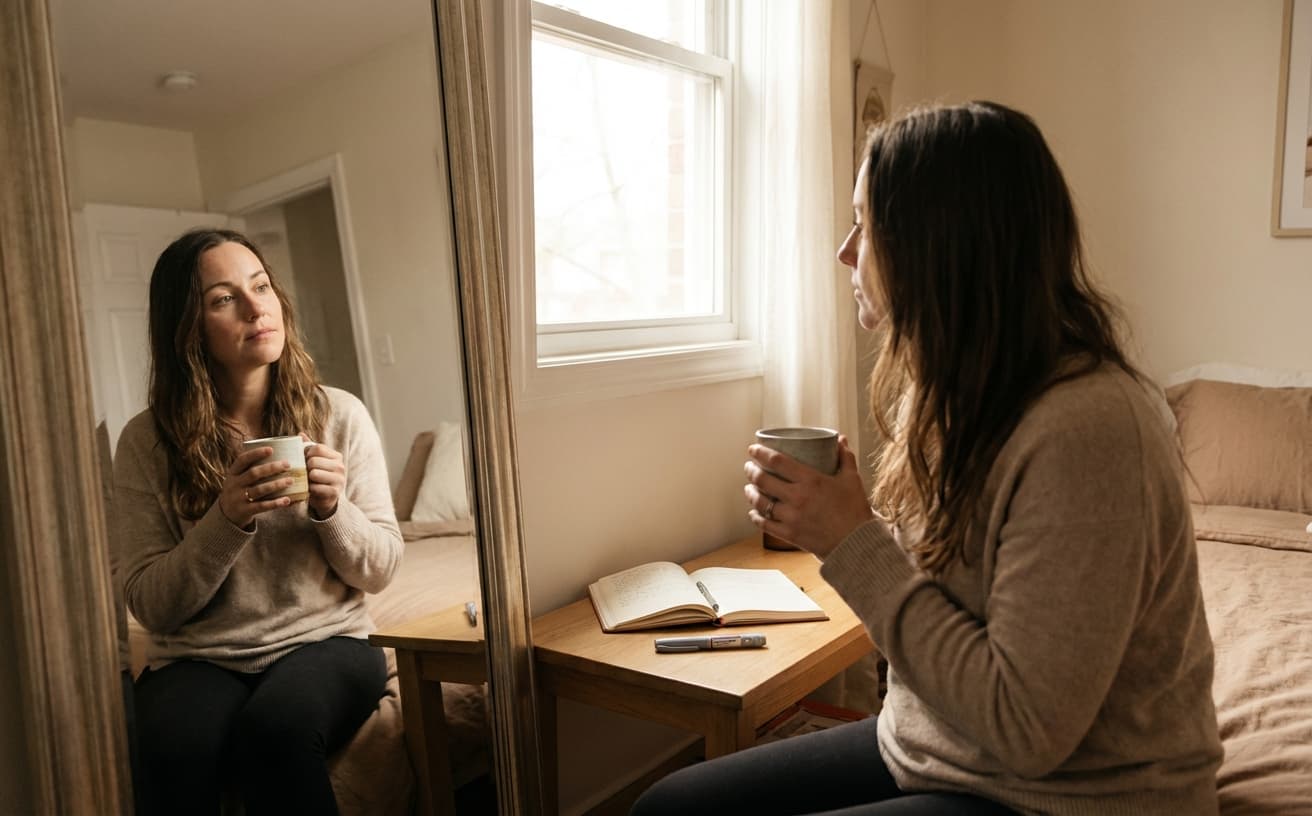
Body neutrality doesn't ask you to stand in front of a mirror and force a smile. It asks you to notice that your legs carried you up those stairs, that your arms held your kid, that your lungs kept breathing through a stressful day. It's quieter than body positivity. And for a lot of people, it's a whole lot more honest.
Body Positivity: Where It Started and Where It Stalled
Let's be clear — body positivity did important work. The movement pushed back against impossible beauty standards and fought for the visibility of bodies that had been excluded from mainstream media for decades. At its core, body positivity means loving bodies regardless of shape, size, color, sex, or ability. That's a powerful message.
But somewhere along the way, the movement started to feel heavy for a lot of people. The pressure to unconditionally love your body began to feel like just another standard to fail at. If you woke up feeling bad about your body, were you doing it wrong? Were you not positive enough?
The Toxic Positivity Problem
Some critics now view body positivity as a subset of toxic positivity — the idea that you should always look on the bright side, no matter what. When someone is struggling with how they feel in their skin, telling them to "just love yourself" can feel dismissive. It can even feel like blame.
There's a sense among many that body positivity, despite its good intentions, puts the burden on the individual. If you can't love your body, the implication is that you have a mindset problem. For people dealing with chronic pain, disability, illness, or the aftermath of trauma, that framing can be genuinely harmful.
How Body Neutrality Works Differently
Body neutrality takes the pressure off. Way off. Instead of swinging between "I hate my body" and "I love my body," it plants you somewhere calmer: "I have a body, and it does things for me."
That might not sound revolutionary. But for anyone who has ever felt exhausted by the emotional rollercoaster of trying to love their reflection every single day, it's a profound relief.
Functional Appreciation Over Appearance
The heart of body neutrality is building what experts call functional appreciation. That means shifting your attention from how your body looks to what your body does. Here's what that might look like in practice:
- Instead of: "I hate my thighs" → Try: "My legs got me through a long day on my feet"
- Instead of: "My stomach isn't flat enough" → Try: "My body digested that meal and gave me energy"
- Instead of: "I don't look good in photos" → Try: "I was present and had a great time at that event"
It's not about pretending you have zero opinions about how you look. It's about not letting those opinions run the show.
Honoring Honest Feelings
One of the most refreshing things about body neutrality is that it makes room for bad days. You don't have to perform gratitude or fake confidence. Some days you might feel great about your body. Other days, not so much. Body neutrality says both of those experiences are valid — and neither one defines your worth.
This is a move from demanding constant positivity to honoring honest feelings. And that honesty, it turns out, may actually be better for your mental and physical health.
What the Research Says About Body Neutrality
This isn't just a feel-good philosophy floating around social media. Researchers are starting to look at how body neutral messaging actually affects people — and the early findings are encouraging.
Better Body Satisfaction
Studies have found that women who viewed body neutral content reported more body satisfaction and higher appreciation for their body's functionality. They also felt better without comparing themselves to thin people as frequently. That's a big deal, because social comparison is one of the biggest drivers of body dissatisfaction.
Improved Mental Health Outcomes
The National Institute of Mental Health (NIMH) notes that people may experience better mental health outcomes with self-acceptance approaches that don't carry the pressure of constant positivity. When you remove the expectation that you should feel amazing about your body 24/7, a lot of the associated anxiety and guilt goes with it.
Body neutrality doesn't demand loving every part of yourself all the time — which for many people can feel completely unattainable. By offering a more realistic approach to self-acceptance, it may help reduce the mental strain that comes with constantly chasing beauty standards.
Body Neutrality in a World of GLP-1 Drugs
It's impossible to talk about body image in 2026 without addressing the elephant in the room: GLP-1 medications. Drugs like semaglutide and tirzepatide have completely reshaped conversations around weight and body size. More people than ever have access to tools that can significantly change their bodies — and that's created a complicated landscape for body image movements.
Body positivity, with its emphasis on loving your body as it is, can feel at odds with the decision to use medication to change your weight. Body neutrality sidesteps this tension entirely. It doesn't ask you to love or hate your body at any particular size. It simply encourages you to treat your body with basic respect and focus on what it can do.
Whether someone chooses to take a GLP-1 medication or not, body neutrality offers a framework that doesn't judge either path. Your worth isn't tied to a number on the scale — and it isn't tied to performing love for your body, either.
How to Practice Body Neutrality in Daily Life
Shifting your mindset doesn't happen overnight, but there are practical steps you can start with today.
1. Reframe Your Self-Talk
When you catch yourself making a judgment about your appearance — positive or negative — try redirecting to function. Instead of evaluating how you look in your workout clothes, notice how your body felt during the workout itself. What did your body accomplish today?
2. Diversify Your Media Diet
Unfollow accounts that make you feel like you need to look a certain way. This includes accounts that promote body positivity if they still center appearance above everything else. Look for creators who talk about what their bodies do, not just what their bodies look like.
3. Dress for Comfort and Function
Choose clothes that feel good on your body right now — not clothes that you're hoping to fit into someday, and not clothes that are meant to make a statement about how much you love your shape. Comfort is a form of respect.
4. Practice Gratitude for Function
This doesn't have to be a formal exercise. Just take a moment during your day to acknowledge something your body did for you:
- Your hands prepared a meal
- Your eyes let you watch a sunset
- Your voice let you sing along to a song in the car
- Your heart kept beating without you even thinking about it
5. Set Boundaries Around Body Talk
You're allowed to opt out of conversations about diets, weight, or appearance — even well-meaning ones. A simple "I'm trying not to focus on that stuff right now" is a complete sentence.
Body Neutrality Isn't Giving Up
One common misconception is that body neutrality means you stop caring about your health. That's not it at all. You can be body neutral and still want to eat well, move your body, and take care of yourself. The difference is your motivation.
With body neutrality, you exercise because it feels good and supports your health — not because you're trying to punish your body into a different shape. You eat nourishing food because your body functions better when it's well-fueled — not because you're chasing a specific look.
This reframing can actually make healthy habits more sustainable. When your relationship with food and movement isn't tangled up in guilt, shame, or the pursuit of a beauty ideal, you're more likely to stick with behaviors that genuinely serve you.
Who Benefits Most From Body Neutrality?
While anyone can practice body neutrality, certain groups may find it especially helpful:
- People recovering from eating disorders: The pressure to "love" your body can be triggering during recovery. Neutrality offers a gentler path.
- Those living with chronic illness or disability: When your body causes pain or limits your activities, forced positivity can feel cruel. Neutrality acknowledges hard realities.
- Anyone exhausted by diet culture: If you're tired of the cycle of restriction, guilt, and body checking, stepping off the appearance treadmill entirely may bring relief.
- Parents modeling body image for kids: Teaching children to value what their bodies can do — rather than how they look — may set them up for a healthier relationship with themselves.
The Bigger Picture: Where Body Image Is Heading
Body positivity was a necessary step. It cracked open the door to conversations about size discrimination, representation, and the harm of impossible beauty standards. Body neutrality walks through that door and goes further — into a space where your body simply isn't the most interesting thing about you.
In 2026, the conversation around body image is shifting toward neutrality and respect rather than forced love. That doesn't mean body positivity is dead. For many people, genuinely loving their bodies is a real and beautiful experience. But for those who find that kind of love exhausting or unreachable, body neutrality offers something just as valuable: peace.
And peace, it turns out, might be the most radical body image goal of all.
Frequently Asked Questions
What is the difference between body positivity and body neutrality?
Body positivity encourages you to love your body regardless of its shape, size, color, sex, or ability. Body neutrality takes a different approach: instead of focusing on how your body looks, it emphasizes appreciating what your body can do. While body positivity asks for love, body neutrality asks for respect and functional gratitude — which many people find more realistic and sustainable.
Is body neutrality better than body positivity?
Neither approach is objectively better — it depends on what works for you. Some people genuinely thrive with body positivity and feel empowered by celebrating their appearance. Others find that the pressure to constantly love their body feels unattainable and may even increase anxiety. Body neutrality may be a better fit if you find yourself exhausted by appearance-focused messaging, even when it's positive.
Can you practice body neutrality and still want to lose weight?
Yes. Body neutrality doesn't require you to stop caring about your health or to avoid making changes. What it does encourage is shifting your motivation. Rather than pursuing weight loss to look a certain way, a body neutral approach focuses on health-supporting behaviors — like movement and nourishing food — because they help your body function well. The goal is to detach your self-worth from your appearance.
How do I start practicing body neutrality today?
Start small. When you notice yourself making appearance-based judgments, try redirecting your thoughts to what your body accomplished that day. Cut back on media that centers appearance, dress for comfort, and give yourself permission to have days where you don't feel great about your body without treating it as a failure. Over time, these small shifts can add up to a much calmer relationship with your body.
This article is for informational purposes only and is not medical advice. Consult your healthcare provider before making health decisions.