Strength Training for Women Beginners: Your Complete Guide to Getting Started
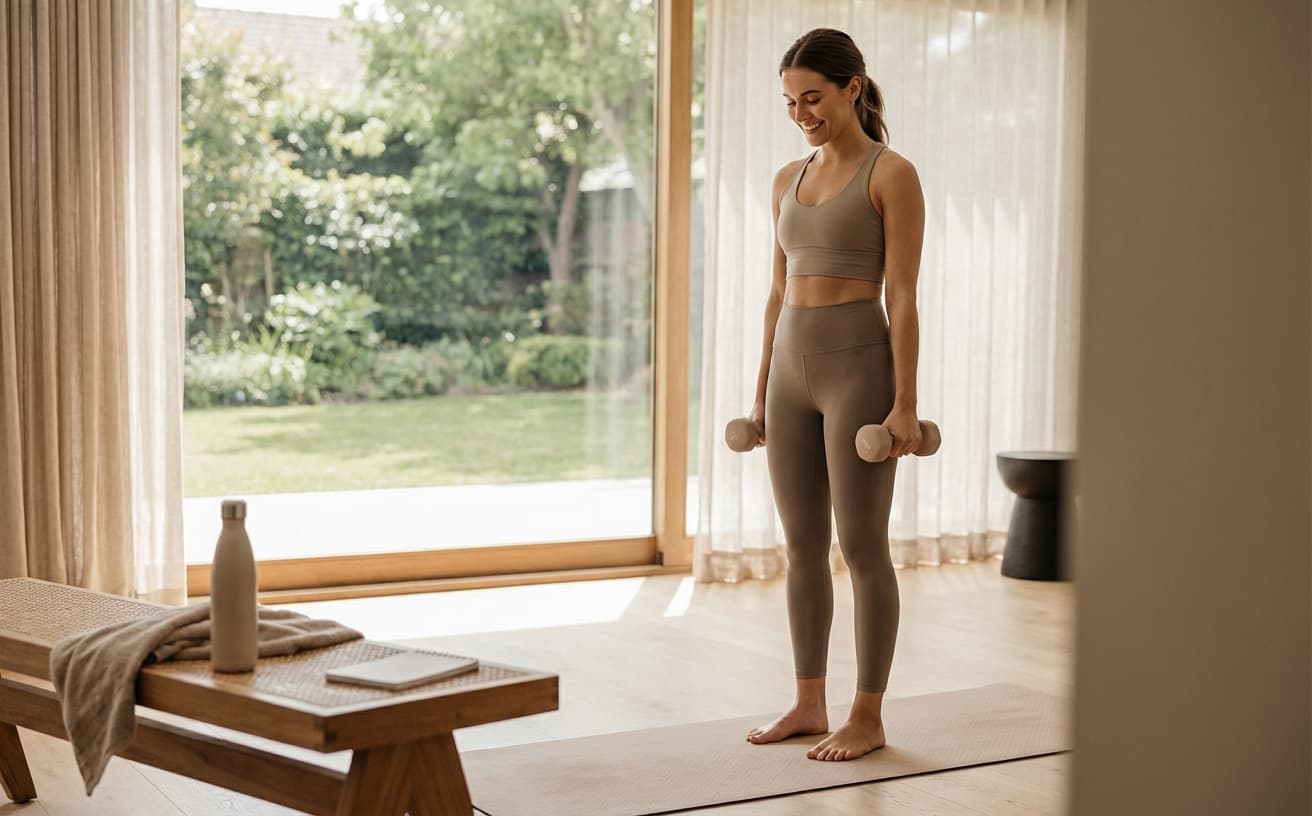
If you've ever walked past the weight room at the gym and thought, "That's not for me," it's time to reconsider. Strength training for women beginners is one of the fastest-growing fitness movements in 2026 — and for very good reason. It builds confidence, boosts your metabolism, and helps you feel genuinely stronger in your everyday life.
And no, you won't end up looking like a bodybuilder. That's one of the most persistent myths in fitness, and we're going to bust it wide open right here.
Whether you're 25 or 65, whether you work out at home or at the gym, strength training is something you can absolutely do — starting today. Let's walk through everything you need to know.
Why Strength Training for Women Beginners Is Having a Major Moment
Strength training isn't new, but the conversation around it has changed dramatically. The American College of Sports Medicine (ACSM) named it one of the top fitness trends for 2026, and women are driving a huge part of that growth.
For decades, women were steered toward cardio machines and told that lifting weights was a "guy thing." That outdated thinking is finally fading. Women of all ages and fitness levels are discovering what strength training can do for their bodies — and their minds.
The benefits go far beyond appearance. Research has linked regular strength training to a lower risk of cardiovascular disease, cancer, type 2 diabetes, and even early death. That's not a minor perk — that's life-changing.
What Actually Happens When Women Lift Weights
Let's address the elephant in the room right away. Many women worry that picking up a dumbbell will make them "bulky." The truth? Women don't produce enough testosterone to build the kind of large, bulging muscles you see in bodybuilding competitions. That look requires very specific training protocols, dietary strategies, and often years of dedicated effort.
What strength training actually gives you is something much better:
- Stronger bones — especially important as women age and bone density naturally decreases
- A toned, defined physique — lean muscle creates that "fit" look many women are after
- Better metabolism — muscle burns more calories at rest than fat, so your body works harder even when you're relaxing
- Increased energy — regular lifters often report feeling more energized throughout the day
- Greater confidence — there's something powerful about knowing you can carry all the groceries in one trip
Think of strength training as an investment in your future self. Every rep you do today is building a stronger, more resilient body for tomorrow.
The Real Results of Strength Training for Women Beginners
So what can you realistically expect when you start lifting? The results may surprise you — and they come faster than most people think.
With consistent effort over time, women who strength train typically experience:
- Increased muscle mass and strength — you'll notice everyday tasks getting easier
- More visible muscle tone — your arms, legs, and core will start to look and feel more defined
- Decreased body fat — as muscle increases, your body composition shifts in a healthy direction
- Better balance and coordination — crucial for preventing falls and injuries at any age
- Improved bone density — weight-bearing exercise signals your bones to get stronger
- Better heart health — your cardiovascular system benefits from resistance training too
Here's a number that might motivate you: studies suggest that hitting the weights just 2-3 times per week may make you up to 25% stronger and decrease your risk of type 2 diabetes by 30% in as little as 15 weeks. That's roughly three and a half months of effort for some seriously meaningful results.
And the confidence factor? It's hard to overstate. Women who strength train consistently report feeling more capable, more empowered, and more comfortable in their own skin. It's not just about how you look — it's about how you feel about yourself.
How Often Should Beginners Lift?
Here's the best news for busy women: you only need 2-3 days per week to see real results. That's it. You don't need to live in the gym. You don't need to work out every single day. Two to three focused sessions per week is enough to start building strength, changing your body composition, and improving your health.
Each session doesn't need to be hours long, either. A well-structured 30-45 minute workout can be incredibly effective for beginners. The key is consistency — showing up regularly matters far more than showing up perfectly.
Rest days between sessions are actually important. That's when your muscles repair and grow stronger. So if you lift on Monday, take Tuesday off, lift again on Wednesday, rest Thursday, and do one more session on Friday, you've got an ideal beginner schedule with plenty of recovery built in.
Where to Start: Machines vs. Free Weights
This is where a lot of beginners feel overwhelmed. You walk into a gym and see rows of machines, racks of dumbbells, barbells, kettlebells — it can feel like walking into a foreign country without a phrasebook.
Take a breath. Experts recommend that beginners start with machines. Here's why.
Why Machines Are Perfect for Beginners
Weight machines are designed to guide your movement through a fixed range of motion. That means:
- Lower injury risk — the machine controls the path of movement, so it's harder to use poor form
- Easier to learn — most machines have instructions and diagrams right on them
- Less intimidating — you don't need to know complicated techniques to get started
- Simple weight adjustments — just move a pin to increase or decrease resistance
Free weights, on the other hand, pose an increased injury risk for beginners because they require more control, balance, and knowledge of proper form. There's nothing wrong with free weights — they're fantastic tools. But jumping straight to them without building a foundation first is like trying to run before you can walk.
How to Progress to Free Weights
Once you've spent several weeks building confidence and strength on machines, you can start incorporating free weights into your routine. A good progression looks like this:
- Weeks 1-6: Focus exclusively on machines to learn movement patterns and build a base
- Weeks 7-10: Start adding simple dumbbell exercises alongside your machine work
- Weeks 11+: Gradually shift toward a mix of machines and free weights based on your comfort level
There's no rush. The goal is to ease in and increase resistance and repetitions as you get stronger and more comfortable. Progress is progress, no matter how slow it feels.
A Sample Beginner Strength Training Routine for Women
Not sure what an actual workout looks like? Here's a simple full-body routine you can do three times per week using machines. As a beginner, aim for 2-3 sets of 10-12 repetitions for each exercise.
Upper Body
- Chest press machine — works your chest, shoulders, and triceps
- Lat pulldown machine — targets your back and biceps
- Shoulder press machine — builds your shoulders and upper arms
- Seated row machine — strengthens your mid-back and improves posture
Lower Body
- Leg press machine — works your quads, hamstrings, and glutes
- Leg curl machine — isolates your hamstrings
- Leg extension machine — targets your quadriceps
- Hip abduction machine — strengthens your outer thighs and hips
Core
- Cable crunch or ab machine — works your abdominals with controlled resistance
- Plank hold — no machine needed, and it builds total core stability
Start with a weight that feels challenging but manageable for all 10-12 reps. If you can easily do 12 reps, it's time to bump up the weight slightly. If you can't reach 10 with good form, lower it.
Strength Training at Home: You Don't Need a Gym
No gym membership? No problem. Customizable strength training programs are available for both home and gym settings, and you can build serious strength with minimal equipment.
For home workouts, consider starting with:
- Resistance bands — affordable, portable, and available in different resistance levels
- A set of adjustable dumbbells — one pair that covers multiple weights saves space and money
- Your own body weight — squats, push-ups, lunges, and planks are all effective strength exercises
There are also countless free and paid workout programs available through apps and video platforms designed specifically for women who are new to strength training. Many of these fitness programs are built with beginners in mind, offering guided instruction and progressive difficulty.
Fueling Your Strength Training Journey
What you eat matters just as much as what you lift. Your muscles need proper fuel to grow and recover, and skimping on nutrition will slow your progress.
A few key nutritional priorities for women who strength train:
- Protein — aim for a serving at every meal to support muscle repair and growth
- Complex carbohydrates — foods like oats, sweet potatoes, and whole grains provide the energy your muscles need during workouts
- Healthy fats — avocados, nuts, and olive oil support hormone production and joint health
- Hydration — drink water before, during, and after your workouts
You don't need to follow a restrictive diet or count every calorie. Focus on eating enough to support your training — undereating is one of the most common mistakes women make when starting a fitness routine.
If you're also working on weight management goals, know that strength training can actually support healthy weight loss by increasing your metabolic rate. But it's important to eat enough protein and total calories to fuel your workouts and recovery.
Common Mistakes Beginners Should Avoid
Starting something new always comes with a learning curve. Here are the most common pitfalls — and how to dodge them.
Doing Too Much Too Soon
Enthusiasm is great, but overdoing it in your first week is a fast track to soreness, burnout, or injury. Ease in gradually. Start lighter than you think you need to and build from there.
Skipping the Warm-Up
Five to ten minutes of light cardio — like walking on a treadmill or cycling — before you lift prepares your muscles and joints for the work ahead. Don't skip it.
Ignoring Recovery
Rest days aren't lazy days. They're the days your muscles actually get stronger. Make sure you're sleeping enough, eating well, and giving your body time to adapt. Your digestive health plays a role in recovery too — a well-functioning gut helps your body absorb the nutrients it needs to rebuild.
Comparing Yourself to Others
The person next to you has their own journey. Your only competition is the version of you who walked in last week. Celebrate your own progress, no matter how small it seems.
Strength Training for Women of All Ages
One of the most beautiful things about strength training is that it's suitable for women of all ages and fitness levels. Whether you're in your twenties or your seventies, your body can benefit from resistance exercise.
For younger women, strength training builds a strong foundation of bone density and muscle mass that pays dividends for decades. For women in midlife, it may help counteract the natural muscle and bone loss that comes with hormonal changes. And for older women, it's one of the most effective ways to maintain independence, prevent falls, and stay active.
The key is finding the right program for your current fitness level and any health considerations you may have. A certified personal trainer can help you design a program that meets you exactly where you are — and grows with you as you get stronger.
Frequently Asked Questions
Will strength training make me bulky?
No. Women don't produce enough testosterone to develop large, bulky muscles from regular strength training. What you will notice is a more toned, defined physique, along with increased strength and energy. The "bulky" look requires extremely specialized training, strict dietary protocols, and often years of dedicated effort that goes far beyond a typical fitness routine.
How many days a week should a beginner do strength training?
Beginners only need 2-3 days per week to see meaningful results. This allows for adequate rest and recovery between sessions, which is when your muscles actually grow stronger. Each session can be as short as 30-45 minutes. Studies suggest that this frequency may make you up to 25% stronger and decrease your type 2 diabetes risk by 30% in just 15 weeks.
Should I start with machines or free weights?
Experts recommend that beginners start with machines. Machines guide your movement through a fixed range of motion, which reduces injury risk and makes it easier to learn proper form. Once you've built a foundation of strength and confidence over several weeks, you can gradually incorporate free weights like dumbbells and barbells into your routine.
Is strength training safe for older women?
Strength training is suitable for women of all ages and fitness levels, including older women. In fact, it may be especially beneficial for older adults because it helps maintain bone density, improve balance and coordination, and reduce the risk of falls. As always, it's important to consult your healthcare provider before starting a new exercise program, especially if you have any existing health conditions.
This article is for informational purposes only and is not medical advice. Consult your healthcare provider before making health decisions.