Low Impact Exercises for Beginners: The Gentle Way to Get Fit

Why Low Impact Exercises for Beginners Are Worth Your Attention
You don't have to pound the pavement or jump around in a cardio class to get fit. Low impact exercises for beginners are having a major moment — and for very good reason.
Low-impact movement means at least one foot stays on the ground at all times, or your body is supported by water or equipment. What that translates to in real life: less stress on your joints, less soreness the next morning, and a much lower risk of injury.
But here's the thing people get wrong: low impact does not mean low intensity. You can absolutely break a sweat, challenge your muscles, and see real results. The difference is just how you get there.
Whether you're brand new to working out, managing a joint condition, bouncing back after pregnancy, or simply tired of workouts that leave you limping, fitness/\">low-impact fitness might be exactly what your body has been asking for.
Who Benefits Most from Low Impact Exercise?
The short answer? Almost everyone. But certain groups especially tend to thrive with this approach.
- Beginners who want to build a sustainable habit without burning out or getting hurt
- Older adults looking to stay active while protecting aging joints
- People with joint concerns like arthritis, knee pain, or hip issues
- Those recovering from injury who need to ease back into movement
- Postpartum individuals rebuilding strength and stamina after birth — more on that at postpartum/\">our postpartum wellness hub
- Anyone who wants a kinder, more sustainable approach to long-term fitness
If you've ever pushed too hard in a workout and spent the next three days barely able to walk down stairs, you'll understand the appeal immediately.
The Best Low Impact Exercises for Beginners
Let's get into the good stuff. These five exercises are among the most accessible, effective, and joint-friendly options out there.
1. Walking
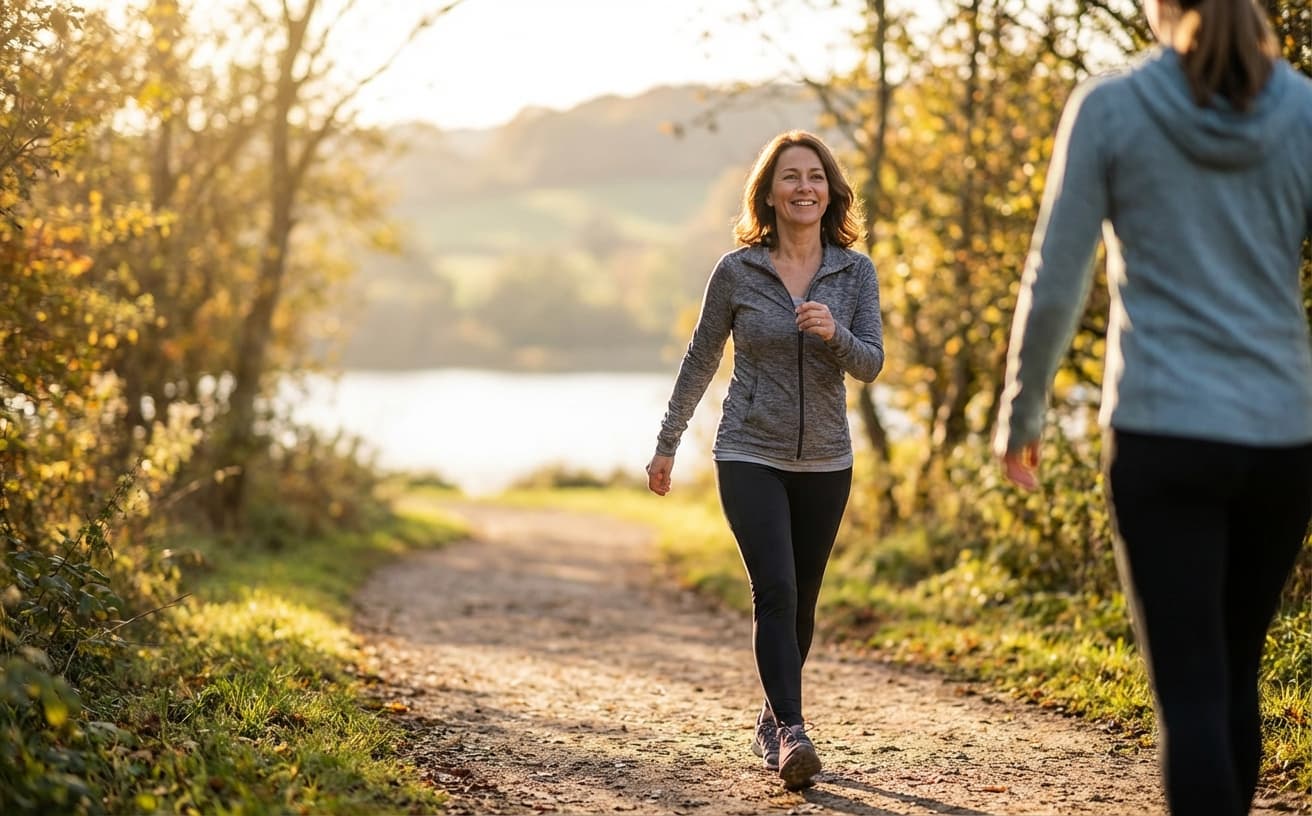
Don't underestimate the humble walk. It's one of the easiest, safest forms of movement available — and it's free. Walking is a weight-bearing exercise, which means it helps strengthen bones and muscles while still being gentle on your joints.
The research on walking's benefits is genuinely impressive. Regular walking may support cardiovascular health, help with weight management, lift your mood, and improve overall energy levels. And unlike gym memberships or specialty equipment, all you need is a decent pair of shoes.
A few tips for beginners:
- Start with 10 to 15 minutes and build up gradually
- Aim for a pace where you can still hold a conversation
- Flat surfaces are easier on joints than hills when you're just starting
- Consistency matters more than intensity at first — three or four times a week beats one grueling long walk
2. Swimming
If walking is the reliable classic, swimming is the gold standard. Many fitness experts consider it the ultimate low-impact exercise — and once you experience it, it's easy to see why.
Water's natural buoyancy supports your body and dramatically reduces strain on your joints. You're getting a full-body workout — working your arms, legs, core, and cardiovascular system — while your knees, hips, and spine get a break from the usual grind.
Swimming can improve cardiovascular fitness, build muscle, and enhance flexibility all at once. It's particularly beloved by people with arthritis or chronic joint pain because the water essentially takes gravity out of the equation.
Not a swimmer? Water aerobics and pool walking are fantastic alternatives that deliver many of the same benefits.
3. Cycling
Whether you prefer a stationary bike at the gym or cruising through your neighborhood, cycling is remarkably easy on the body. The motion of pedaling is gentle on the knees, hips, and ankles — the joints that tend to bear the brunt of higher-impact activities.
At the same time, cycling is a genuinely great cardio workout. It builds leg strength, gets your heart pumping, and can be as easy or as challenging as you choose to make it.
For beginners, a stationary bike is often the better starting point. You don't have to worry about traffic, hills, or balance, and it's easy to control your effort level. Once you've built some confidence and stamina, taking it outdoors opens up a whole new world.
4. Yoga
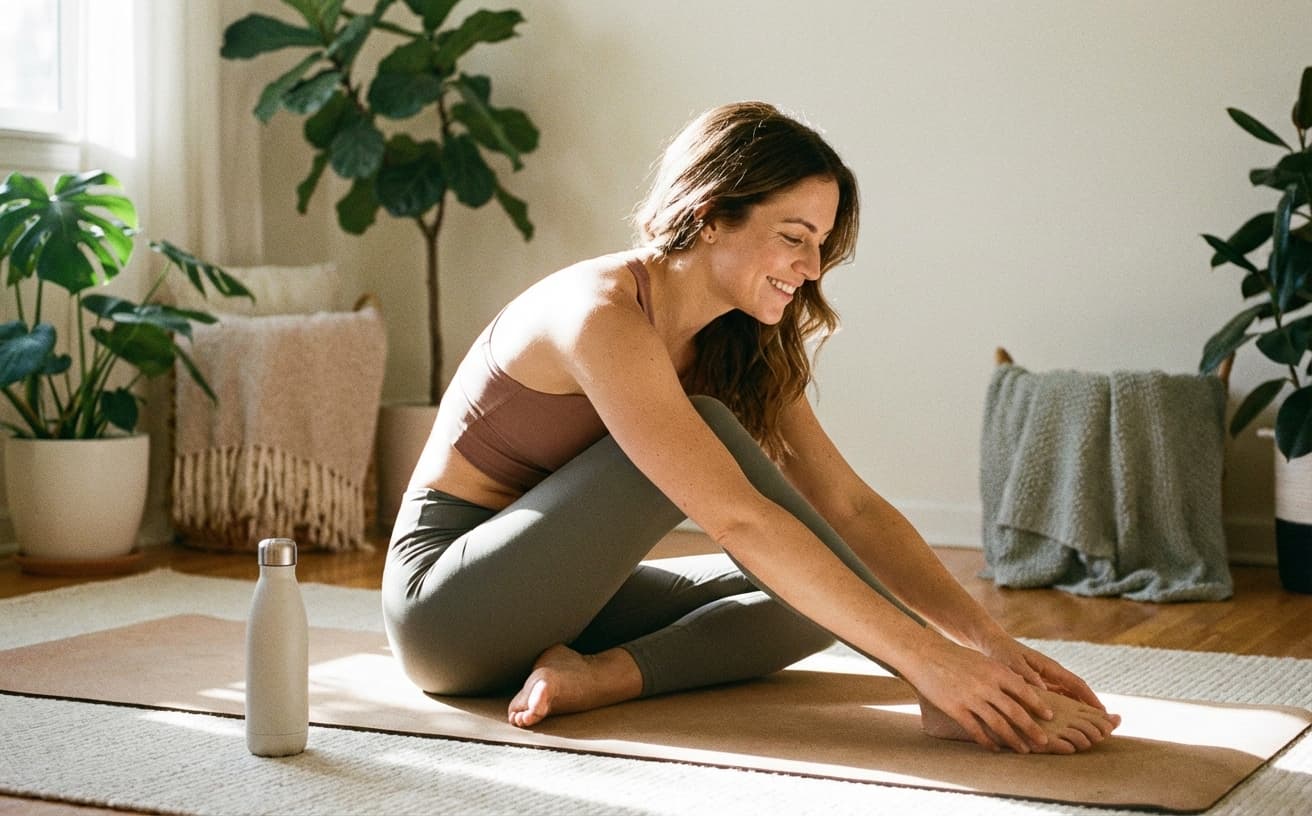
Yoga has been around for thousands of years, and there's a reason it keeps finding new fans. For beginners especially, yoga offers a rare combination of strength, flexibility, and mental calm — all in one practice.
Depending on the style you choose, yoga can be deeply relaxing (think yin or restorative yoga) or surprisingly challenging (vinyasa or power yoga). For joint-friendly movement, slower styles like hatha or gentle yoga are great entry points.
Yoga also places a strong emphasis on breath and body awareness, which can help you tune into how your body actually feels during movement — an underrated skill for any beginner.
You can find free classes on YouTube, apps, or explore our fitness section for more movement ideas.
5. Pilates
Pilates is having a serious cultural moment right now, and beginner-friendly Pilates is no exception. Unlike yoga, which has a broader spiritual and flexibility focus, Pilates is specifically designed around core strength, stability, and controlled movement.
The method emphasizes proper alignment and breathing, which builds a strong foundation while actively protecting your joints. Even gentle Pilates sessions work the deep stabilizing muscles that other exercises tend to miss.
Mat Pilates requires no equipment and can be done at home. Reformer Pilates (using a specialized machine) takes things to another level but is best learned with a qualified instructor first.
Building a Balanced Low-Impact Routine
Here's something most fitness beginners don't realize: the best workout routine isn't just cardio, or just stretching — it's a mix of several different elements working together.
For joint health and overall fitness, a well-rounded routine should include these four components:
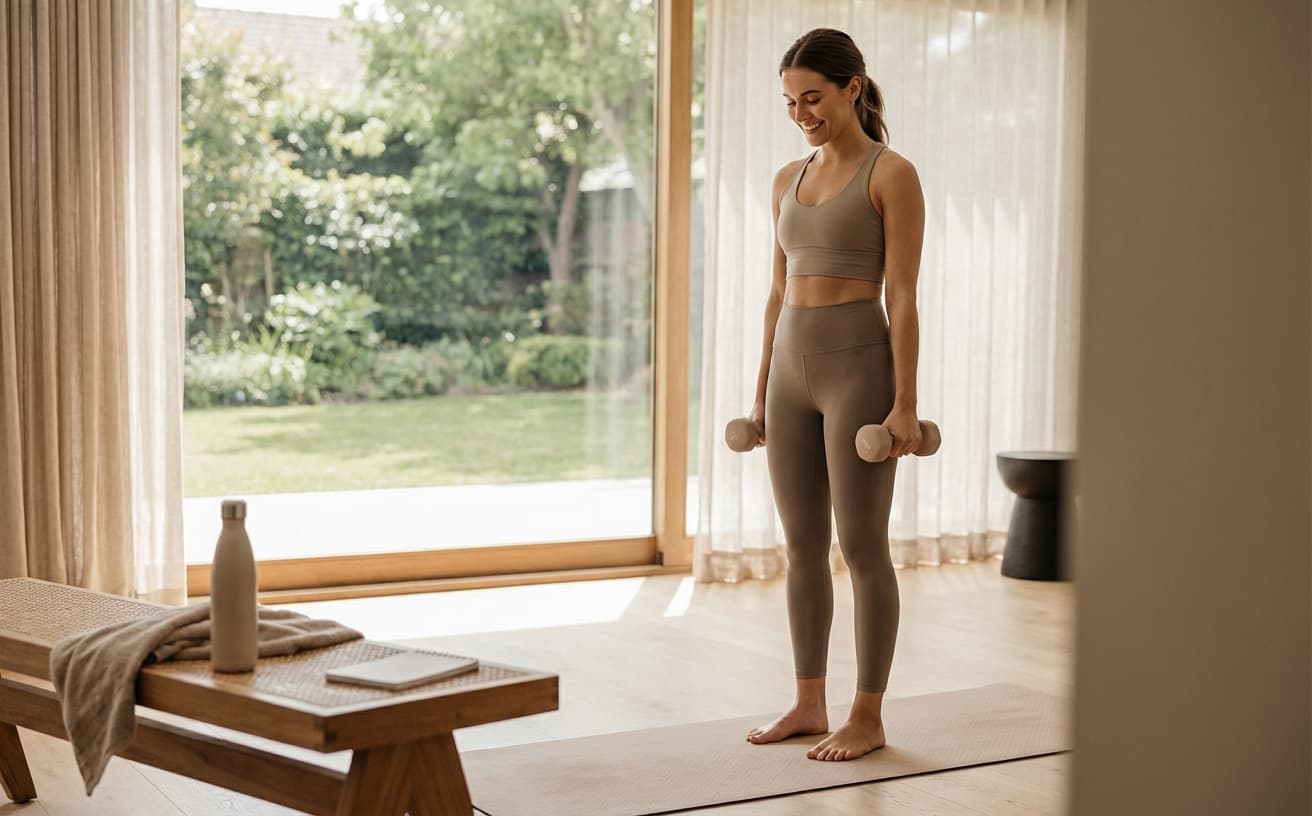
- Strength training — builds muscle that supports and protects your joints
- Low-impact aerobic conditioning — keeps your heart and lungs healthy
- Range-of-motion work — maintains flexibility and prevents stiffness
- Balance control — reduces fall risk and improves coordination
The good news? The exercises we've covered here — walking, swimming, cycling, yoga, and Pilates — can check multiple boxes at once. Swimming hits cardio and flexibility. Pilates covers strength and range of motion. A mindful walk can improve balance and aerobic fitness simultaneously.
A simple beginner week might look like this:
- Monday: 20-minute walk
- Wednesday: 30-minute beginner yoga or Pilates video
- Friday: 20-minute cycling session (stationary or outdoor)
- Saturday or Sunday: swim or water aerobics if accessible
Rest days matter too. Recovery is where your muscles actually get stronger, so don't feel guilty about taking them.
Low Impact Doesn't Mean Easy — and That's a Good Thing
It's worth circling back to this because it genuinely surprises people: low impact exercises can be seriously challenging. A long swim, a hilly cycling route, or an hour of hot yoga will leave you sweaty, tired, and satisfied in all the right ways.
The difference between low-impact and high-impact isn't about effort — it's about force. High-impact exercises like running or jumping generate large forces through your joints every time you land. Low-impact exercises reduce that force while still allowing you to work hard.
This is great news for anyone who has avoided exercise because they assumed "beginner-friendly" meant "too easy to bother with." It doesn't. You can challenge yourself, push your limits, and make real progress — all while keeping your joints happy.
The Real Benefits of Low Impact Exercise
By now you have a sense of what these exercises involve. But let's talk about what they can actually do for your body and mind over time.
Regular low-impact movement may help you:
- Build strength — especially in supporting muscles around joints
- Improve cardiovascular health — lower resting heart rate, better stamina
- Support healthy weight — consistent movement plays a meaningful role in weight management
- Boost mood and mental health — movement triggers endorphins and can reduce anxiety and low mood
- Sleep better — regular exercise is one of the most consistently supported aids for better sleep
- Improve bone density — weight-bearing activities like walking help maintain strong bones
- Enhance flexibility and balance — important for everyday function and fall prevention
For postpartum recovery, low-impact movement can also help rebuild core strength and stability in a gradual, body-respectful way. Always check with your healthcare provider about when to begin exercise after birth.
And for those thinking about nutrition/\">nutrition as part of a wellness approach, movement and what you eat work together — neither works in isolation.
Tips for Getting Started (and Actually Sticking With It)
Starting a new exercise routine is one thing. Keeping it going is another. Here are a few strategies that actually work.
Start Smaller Than You Think You Should
This is genuinely the most important tip. Most beginners overdo it in week one and burn out or get injured by week two. If you think you should walk for 30 minutes, start with 15. It feels too easy — and that's exactly the point. You're building a habit, not proving something.
Make It Enjoyable
You will not stick with exercise you hate. Period. If swimming feels like a chore but cycling lights you up, do more cycling. The best exercise is the one you'll actually do consistently. Experiment until you find what feels good.
Track Progress Gently
Notice small wins: you walked a little further, held a pose a little longer, felt a little less winded. Progress in low impact exercises for beginners can be subtle at first, but it compounds over time.
Give It Time
Real, lasting fitness changes take weeks and months — not days. Be patient with yourself and try to enjoy the process rather than racing to a result.
Listen to Your Body
Low-impact doesn't mean zero discomfort ever. Muscle fatigue is normal. Sharp joint pain is not. Learn the difference and don't push through pain that feels wrong. When in doubt, rest — or check in with a healthcare provider.
Frequently Asked Questions
What exactly makes an exercise "low impact"?
A low-impact exercise keeps at least one foot on the ground at all times, or has your body supported by water or equipment. This reduces the forces going through your joints compared to high-impact activities like running or jumping. Low impact does not mean low intensity — you can still work hard, get sweaty, and see genuine fitness results.
Are low impact exercises effective for weight loss?
Yes — consistent low-impact movement can support healthy weight management as part of an overall approach that includes balanced nutrition and lifestyle habits. Walking, cycling, and swimming all burn meaningful calories, especially as your fitness improves and you're able to go longer or work harder. The key word is consistency: moderate exercise done regularly tends to outperform intense exercise done rarely.
How often should beginners do low impact exercises?
Most beginners do well starting with three to four sessions per week, allowing rest days in between. Sessions can be short — even 15 to 20 minutes is genuinely valuable when you're starting out. As your body adapts over several weeks, you can gradually increase duration, frequency, or intensity. There's no one-size-fits-all answer, so listen to your body and adjust accordingly.
Are low impact exercises safe during pregnancy or postpartum recovery?
Many low-impact exercises are commonly recommended during pregnancy and postpartum recovery — but every body and every pregnancy is different. Walking and swimming are often cited as particularly safe options during pregnancy when cleared by a healthcare provider. For postpartum recovery, the timeline for returning to exercise varies widely. Always consult your doctor or midwife before starting or resuming exercise after giving birth. Our postpartum section has more guidance on moving safely after baby.
This article is for informational purposes only and is not medical advice. Consult your healthcare provider before making health decisions.