Exercise Snacks: Why Tiny Bursts of Movement May Be the Best Fitness Hack of 2026
What If Getting Fit Didn't Require an Hour at the Gym?
Let's be honest: for most of us, the biggest barrier to exercise isn't motivation. It's time. Between work, family, and the thousand other things demanding your attention, finding a solid hour for the gym can feel impossible. And when you can't do it "properly," it's tempting to skip it altogether.
But what if the all-or-nothing approach to fitness has been wrong this whole time?
Enter exercise snacks, one of the biggest fitness trends of 2026. These are short bursts of physical activity, typically lasting just one to five minutes, performed several times throughout the day. And the research backing them up is genuinely impressive.
According to the American College of Sports Medicine (ACSM), which named wearable technology and movement integration as top fitness trends for 2026, the fitness world is shifting away from marathon gym sessions and toward weaving movement naturally into daily life. Exercise snacks are at the heart of that shift.
What Exactly Are Exercise Snacks?
Think of exercise snacks the same way you think about food snacks: small, satisfying portions spread throughout the day. Instead of one big "meal" of exercise, you're having several mini servings of movement.
The defining features of exercise snacks are:
- They last between 1 and 10 minutes per bout
- They're performed 2 to 8 times daily
- They range from moderate to vigorous intensity
- They require no special equipment or gym membership
- They can be done anywhere, at home, the office, a park, or a hotel room
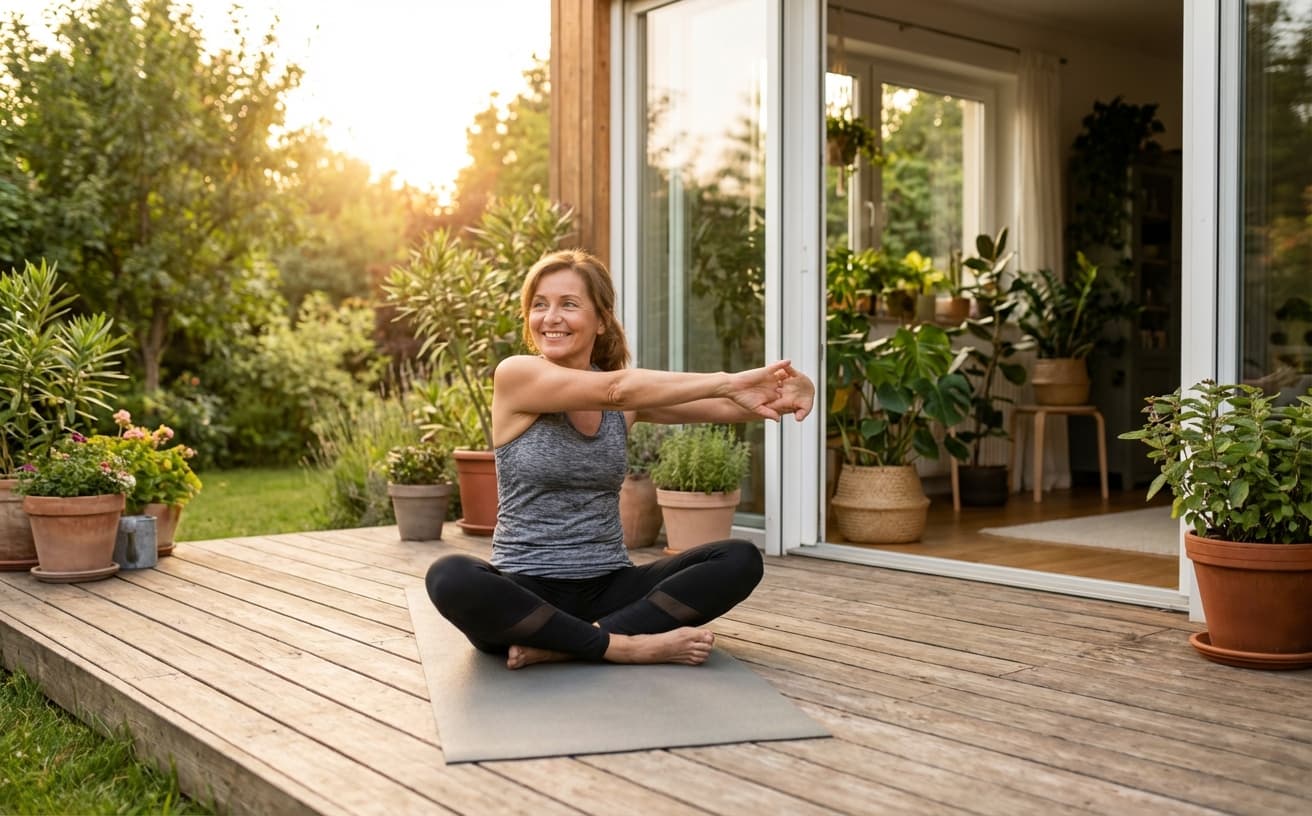
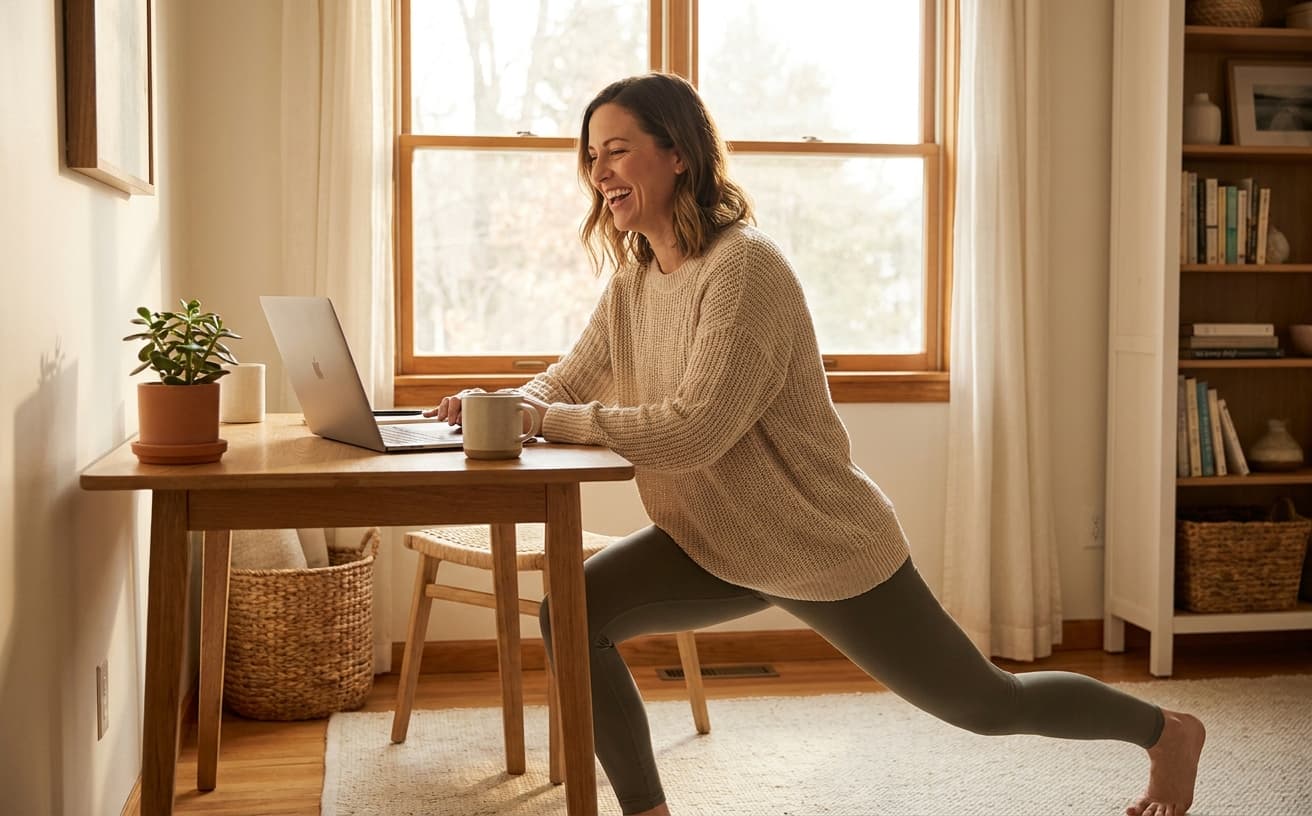
Examples include climbing a few flights of stairs briskly, doing a set of squats during a work break, a quick walk around the block at a fast pace, or even energetic play with your kids. The key is that the intensity is high enough to get your heart rate up, even if it's just for a minute or two.
The Surprising Science Behind Exercise Snacks
This isn't just a feel-good wellness trend. The research behind exercise snacks is coming from serious institutions and being published in top-tier journals. Here's what scientists have found.
Improved Heart and Lung Fitness
A study published in Applied Physiology, Nutrition, and Metabolism found that as few as three 20-second stair-climbing bouts performed at high intensity, three times per week, produced measurable improvements in cardiorespiratory fitness. That's barely a minute of actual exercise per session.
A systematic review and meta-analysis published in Sports Medicine confirmed these findings, concluding with moderate certainty that exercise snacking significantly improves cardiorespiratory fitness in adults. Four short exercise snacks a day may be enough to boost your heart and lung fitness.
Lower Cancer Risk
Perhaps the most striking finding comes from an observational study published in JAMA Oncology. Researchers found that doing just four to five minutes a day of vigorous intermittent lifestyle physical activity (VILPA), like brisk stair climbing or fast walking, was associated with a substantially lower cancer risk.
The numbers are remarkable: 3.5 minutes per day was associated with a 17-18% reduction in total cancer risk, and 4.5 minutes daily was linked to a 20-21% reduction. That's an extraordinary return on a tiny time investment.
Reduced Risk of Heart Disease and Early Death
Epidemiological studies on VILPA have shown steep, near-linear associations with reduced all-cause mortality, cardiovascular mortality, and cancer mortality. In simpler terms, even small amounts of vigorous daily movement are linked to living longer and healthier.
The Society of Behavioral Medicine emphasizes that a little movement is genuinely better than none, and the dose-response curve is steepest at the low end, meaning the biggest health gains come from going from zero activity to just a few minutes daily.
Better Blood Sugar and Metabolism
Research reviewed by the BMJ found that exercise snacks improve glucose control and blood pressure. For people who sit most of the day, brief movement breaks may help counteract the metabolic effects of prolonged sitting. These short bouts appear to be particularly effective at managing post-meal blood sugar spikes.
Mood and Cognitive Boost
Multiple studies confirm that exercise snacks consistently enhance mood, energy levels, and cognitive function. A quick burst of movement triggers the release of endorphins and increases blood flow to the brain. Many people report that a two-minute stair climb gives them a better afternoon pick-me-up than a cup of coffee.
Exercise Snacks vs. Traditional Workouts: Do You Still Need the Gym?
Let's be real about what exercise snacks can and can't do. Researchers are careful to note that exercise snacking is not necessarily a complete replacement for structured exercise, particularly if you have specific performance or fitness goals.
If you're training for a marathon, building significant muscle mass, or working toward specific athletic milestones, you'll still benefit from longer, structured training sessions.
But for general health, longevity, and disease prevention? Exercise snacks are remarkably effective. And they're especially valuable for:
- People who currently do little or no exercise, where the health gains are most dramatic
- Busy parents who can't carve out gym time
- Office workers looking to break up long stretches of sitting
- Older adults who may find long workouts intimidating or difficult
- Anyone recovering from injury or easing back into movement
- Postpartum mothers who are slowly rebuilding their fitness
The ideal approach for most people? Use exercise snacks as a baseline of daily movement and add structured workouts when you can. On days when the gym isn't happening, your snacks still have you covered.
How to Start Your Exercise Snack Routine
The beauty of exercise snacks is their simplicity. Here's a practical guide to getting started.
Beginner Exercise Snacks (Start Here)
If you're new to exercise or getting back into it, start with these approachable options:
- Brisk walk around the block (3-5 minutes)
- March in place or do step-ups during TV commercials (2-3 minutes)
- Climb one or two flights of stairs at a moderate pace (1-2 minutes)
- Standing calf raises or wall push-ups while waiting for the kettle (1-2 minutes)
- Gentle stretching and bodyweight squats (3-5 minutes)
Intermediate Exercise Snacks
Once you're comfortable with regular movement breaks, turn up the intensity:
- Stair climbing at a brisk pace for 3 flights (1-2 minutes)
- 15-20 bodyweight squats followed by 10 push-ups (2-3 minutes)
- Power walking at a pace where you're slightly breathless (5 minutes)
- Dancing vigorously to one or two songs (3-5 minutes)
- Jumping jacks, high knees, or burpees (1-2 minutes)
Advanced Exercise Snacks
For those who want maximum impact in minimum time:
- Sprint up a flight of stairs at near-maximum effort (20-30 seconds, repeat 3 times)
- Tabata-style intervals: 20 seconds of all-out effort, 10 seconds rest, 4 rounds (4 minutes)
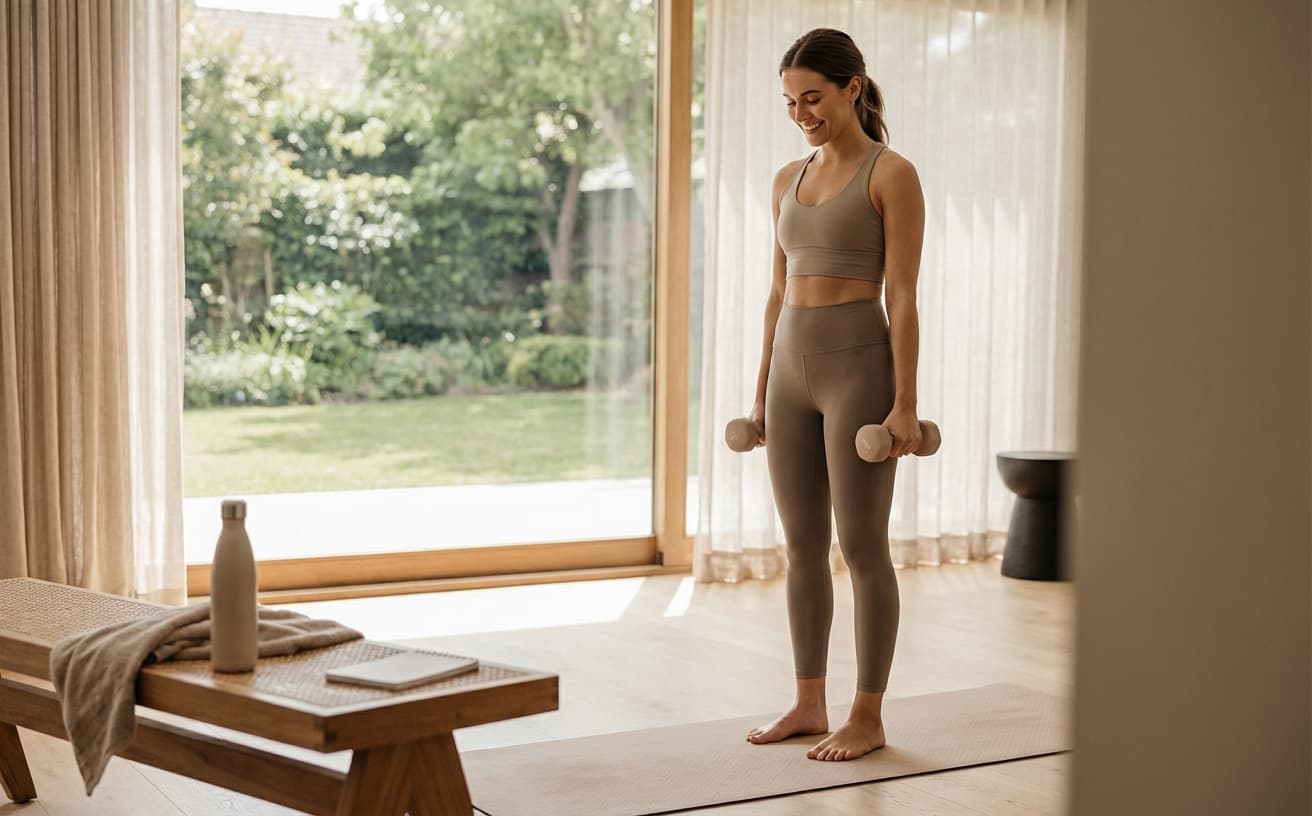
- Kettlebell swings or dumbbell thrusters if you have weights handy (2-3 minutes)
- Plank variations and core circuits (3-5 minutes)
Making Exercise Snacks a Habit That Sticks
The research is clear that consistency matters more than intensity. Here are evidence-backed strategies to make exercise snacks part of your daily routine.
Anchor to Existing Habits
Link your exercise snacks to things you already do every day. Do squats while your coffee brews. Walk briskly to pick up your mail. Take the stairs instead of the elevator every single time. When movement is tied to a trigger you can't forget, it becomes automatic.
Set Time-Based Reminders
If you work at a desk, set a timer to go off every 60 to 90 minutes. When it rings, spend one to three minutes moving. Many wearable devices in 2026 now include built-in movement reminders and can even suggest specific exercises based on how long you've been sedentary.
Track Your Progress
Even simple tracking, like noting how many snacks you completed each day, can boost motivation. Many fitness apps now include specific "exercise snack" or "movement break" features that make this easy.
Start Small and Build
Don't try to go from zero to eight exercise snacks a day. Start with two or three and add more as they become natural. Remember, the research shows that even one to two minutes of vigorous movement has measurable health benefits. Every single snack counts.
Exercise Snacks for Weight Management
While exercise snacks alone aren't a magic bullet for weight loss, they do contribute to your overall energy expenditure and metabolic health. Multiple short bouts of activity throughout the day may actually be more effective at boosting your metabolism than a single long session, because each burst temporarily elevates your metabolic rate.
Combined with a balanced approach to nutrition, exercise snacks can be a sustainable component of a weight management strategy. They're especially helpful because they're so easy to maintain long-term, and consistency is what matters most for lasting results.
Frequently Asked Questions
How many exercise snacks should I do per day?
Research suggests that 2 to 8 exercise snacks per day can deliver meaningful health benefits. For people who are currently inactive, even 2 to 3 daily snacks of 1 to 5 minutes each can produce measurable improvements in fitness and metabolic health. The sweet spot for most people is 3 to 5 snacks spread throughout the day.
Can exercise snacks replace my regular workout?
For general health and disease prevention, exercise snacks can provide substantial benefits even without traditional workouts. However, if you have specific goals like building muscle, training for endurance events, or significantly improving athletic performance, you'll still benefit from structured training sessions. The best approach for most people is a combination of both.
Are exercise snacks safe for beginners and older adults?
Yes. A 2024 systematic review published in Sports Medicine confirmed that exercise snacks appear feasible and safe with no significant side effects reported. Beginners should start with lower-intensity options like brisk walking or gentle stair climbing and gradually increase intensity as their fitness improves. As always, check with your doctor before starting any new exercise routine, especially if you have existing health conditions.
What's the difference between exercise snacks and HIIT?
While both involve short bursts of intense activity, they're different concepts. HIIT (High-Intensity Interval Training) is a structured workout format, typically lasting 15 to 30 minutes, with planned intervals of high and low intensity. Exercise snacks are standalone micro-bouts of activity scattered throughout your day with no formal structure. Think of HIIT as a carefully planned meal and exercise snacks as exactly what they sound like: quick bites of movement grabbed on the go.
This article is for informational purposes only and is not medical advice. Consult your healthcare provider before making health decisions.