The Gut-Sleep Connection: How Your Microbiome Affects Your Sleep Quality
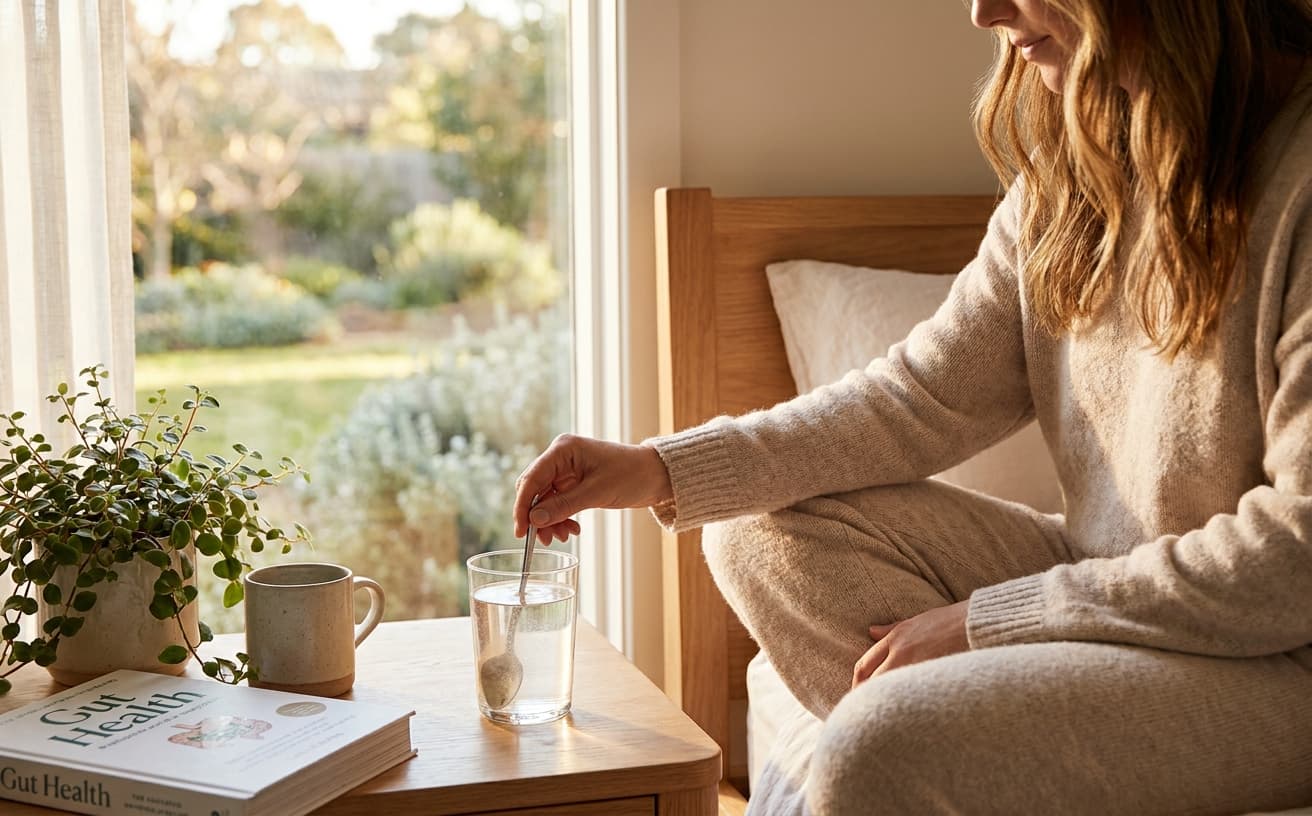
Your Gut Might Be the Reason You Can't Sleep
You've tried the lavender pillow spray. You've cut the caffeine after noon. You've put your phone away an hour before bed. And yet, sleep still feels like a struggle. If that sounds familiar, the answer to your sleep problems might be hiding in an unexpected place: your gut.
A growing body of research in 2026 reveals a powerful, two-way relationship between your gut microbiome and your sleep quality. The trillions of bacteria living in your digestive tract don't just help you break down food — they produce neurotransmitters, regulate inflammation, and communicate directly with your brain through what scientists call the gut-brain axis.
And when that system is out of balance, your sleep may be one of the first things to suffer.
The Science Behind the Gut-Sleep Connection
The link between your gut and your sleep isn't just theoretical — it's backed by an expanding body of peer-reviewed research.
Your Gut Produces Sleep-Regulating Chemicals
Here's a fact that surprises most people: approximately 90% of your body's serotonin is produced in the gut, not the brain. Serotonin is a precursor to melatonin, the hormone that regulates your sleep-wake cycle. So when your gut bacteria aren't functioning optimally, your melatonin production may take a hit too.
But it doesn't stop at serotonin. Gut bacteria — particularly strains of Lactobacillus and Bifidobacterium — also produce gamma-aminobutyric acid (GABA), the neurotransmitter responsible for calming your nervous system and preparing your body for sleep. Specifically, Lactobacillus rhamnosus has been shown to produce GABA directly in the gut.
Research published in the journal Frontiers in Microbiology found that the production of melatonin by intestinal cells is approximately 400 times greater than that of the pineal gland — the brain structure traditionally credited with melatonin production. That's a staggering number that underscores just how central the gut is to sleep regulation.
Poor Sleep Changes Your Gut — and Vice Versa
The relationship between gut health and sleep is bidirectional, meaning it flows in both directions. Poor sleep can disrupt your microbiome, and a disrupted microbiome can worsen your sleep. It's a vicious cycle.
A 2026 study published in Nature Communications, involving 6,941 participants from the Lifelines Dutch Microbiome Project, found that lower microbial diversity was associated with poorer sleep quality, later chronotype (being a "night owl"), and greater social jet lag. In other words, the less diverse your gut bacteria, the worse you may sleep.
On the flip side, research shows that people with insomnia tend to have specific gut microbiome signatures: reduced microbial diversity, fewer short-chain fatty acid-producing bacteria, and an enrichment of pathogenic bacteria. The gut and sleep exist in a feedback loop — each one constantly influencing the other.
The Gut-Brain Axis: How They Communicate
Your gut and brain are in constant communication through a complex network known as the gut-brain axis. This involves multiple pathways:
- The vagus nerve: A direct neural highway connecting your gut to your brain, carrying signals in both directions
- Immune signaling: Gut bacteria influence inflammatory markers that can affect brain function and sleep architecture
- Hormonal pathways: Gut microbes produce metabolites that influence cortisol, melatonin, and other hormones tied to your circadian rhythm
- Short-chain fatty acids (SCFAs): Produced when gut bacteria ferment fiber, these compounds may influence sleep regulation through multiple mechanisms
When any of these communication channels are disrupted — by poor diet, stress, antibiotics, or other factors — your sleep quality may decline as a result.
Signs Your Gut Might Be Sabotaging Your Sleep
How do you know if your gut health is contributing to your sleep troubles? Look for these overlapping symptoms:
- Difficulty falling asleep despite feeling tired
- Waking up frequently during the night
- Feeling unrested even after a full night's sleep
- Digestive symptoms like bloating, gas, or irregular bowel movements alongside sleep issues
- Mood changes including increased anxiety or irritability, especially in the evening
- Sugar and carb cravings that intensify at night
If several of these sound familiar, it may be worth looking at your digestive health as part of your sleep-improvement strategy.
Foods That May Support Both Gut Health and Better Sleep
One of the most accessible ways to support your gut-sleep connection is through your diet. The following foods deliver a double benefit — nourishing your microbiome while providing nutrients that may promote better rest.
Fermented Foods
Probiotic-rich fermented foods introduce beneficial bacteria directly into your gut, supporting a diverse and balanced microbiome.
- Kefir: Rich in Lactobacillus strains that produce GABA and support serotonin pathways
- Sauerkraut and kimchi: Naturally fermented vegetables packed with diverse bacterial strains
- Yogurt: Look for varieties with live active cultures and minimal added sugar
- Miso: A fermented soybean paste that provides both probiotics and tryptophan
Prebiotic-Rich Foods
Prebiotics are the fiber that feeds your beneficial gut bacteria, helping them thrive and produce sleep-supporting metabolites.
- Garlic and onions: Rich in inulin, a powerful prebiotic fiber
- Bananas: Especially slightly green ones, which contain resistant starch
- Asparagus and artichokes: Excellent sources of prebiotic fiber
- Oats: Contain beta-glucan, a prebiotic that feeds beneficial bacteria
Tryptophan-Rich Foods
Since tryptophan is the amino acid precursor to both serotonin and melatonin, eating foods rich in tryptophan may support both gut health and sleep.
- Turkey and chicken: Classic sources of dietary tryptophan
- Pumpkin seeds: Also rich in magnesium, which supports muscle relaxation
- Tart cherries: One of the few natural food sources of melatonin
- Eggs: Provide tryptophan along with other essential nutrients
Anti-Inflammatory Foods
Chronic inflammation in the gut can disrupt sleep-regulating pathways. These foods may help calm things down.
- Fatty fish: Salmon, mackerel, and sardines provide omega-3 fatty acids that support gut barrier function
- Turmeric: Contains curcumin, a potent anti-inflammatory compound
- Leafy greens: Spinach, kale, and Swiss chard provide magnesium and fiber
- Walnuts: Contain omega-3s, melatonin, and fiber — a triple benefit
What to Avoid Before Bed for Better Gut Health and Sleep
Just as certain foods may help, others can disrupt both your gut and your sleep when consumed close to bedtime.
- Highly processed foods: These may promote inflammation and feed harmful gut bacteria
- Excessive sugar: Late-night sugar spikes can disrupt both blood sugar and your microbiome balance
- Alcohol: While it may help you fall asleep initially, alcohol disrupts sleep architecture and is harmful to gut bacteria
- Large, heavy meals: Eating a big meal within two to three hours of bedtime forces your digestive system to work overtime
- Spicy foods: These may trigger acid reflux, which worsens when you lie down
The general rule: aim to finish eating at least two to three hours before bed, and keep evening meals lighter and easier to digest.
Probiotics and Sleep: What Does the Research Say?
Given the role gut bacteria play in producing sleep-regulating neurotransmitters, researchers have been investigating whether targeted probiotics might improve sleep quality.
The results so far are promising but preliminary. Studies have shown that specific strains — particularly Lactobacillus and Bifidobacterium species — may improve subjective sleep quality in people with insomnia. A 2026 review in ScienceDirect highlighted that probiotic and postbiotic therapies show therapeutic potential for insomnia, though the authors noted that more research is needed on safety and long-term effects.
One particularly striking finding: a fecal microbiota transplantation (FMT) study found that 76.47% of insomnia patients achieved primary treatment endpoints after the procedure, with increases in beneficial Lactobacillus and Bifidobacterium populations.
While FMT is a medical procedure and not something to try at home, these results reinforce just how influential the gut microbiome is when it comes to sleep.
If you're considering a probiotic supplement for sleep, look for products containing well-studied strains like Lactobacillus rhamnosus, Bifidobacterium longum, or Lactobacillus plantarum. And always talk to your healthcare provider first — especially if you have existing gut health conditions.
Lifestyle Habits That Support Both Your Gut and Your Sleep
Beyond diet, several lifestyle factors influence both your microbiome and your sleep quality.
Manage Stress
Chronic stress increases cortisol, which disrupts both gut barrier function and your circadian rhythm. Practices like deep breathing, meditation, and gentle exercise may help reduce stress and support both systems.
Move Your Body Regularly
Regular moderate exercise has been shown to increase microbial diversity in the gut and improve sleep quality. Even a 30-minute walk can make a difference. Just avoid intense exercise close to bedtime, as it may have the opposite effect on sleep.
Get Morning Sunlight
Exposure to natural light in the morning helps set your circadian rhythm, which in turn influences your gut's daily bacterial patterns. Research suggests your microbiome has its own circadian rhythm, and it syncs with your sleep-wake cycle.
Be Cautious With Antibiotics
While sometimes necessary, antibiotics can significantly disrupt your gut microbiome. If you need to take them, talk to your doctor about probiotic support during and after your course to help rebuild beneficial bacteria.
The Bigger Picture: Why Gut Health Is a Sleep Strategy
For decades, sleep advice has focused on the obvious: dark room, cool temperature, consistent bedtime. And those basics absolutely matter. But the emerging science of the gut-sleep connection adds a new dimension to the conversation.
Your gut isn't just processing your dinner — it's producing the very chemicals your brain needs to wind down, fall asleep, and stay asleep through the night. Taking care of your microbiome may be one of the most overlooked strategies for better sleep.
The good news? The same habits that improve your gut health — eating a diverse, fiber-rich diet, managing stress, exercising regularly, and limiting processed foods — also happen to be the habits that support better sleep. It's a win-win that starts on your plate and ends with a better night's rest.
Frequently Asked Questions
Can probiotics really help me sleep better?
Early research is promising. Specific probiotic strains, particularly Lactobacillus and Bifidobacterium species, have been associated with improved sleep quality in some studies. However, more large-scale human trials are needed. Probiotics may work best as part of an overall gut-health strategy rather than a standalone sleep aid.
How long does it take to improve sleep by improving gut health?
Most people notice changes in their digestive health within two to four weeks of dietary changes. Sleep improvements may follow within a similar timeframe, though it can take up to two to three months of consistent gut-supportive habits to see meaningful changes in sleep quality. Be patient and consistent.
Does poor sleep really damage my gut health?
Yes, research supports this. Studies show that sleep deprivation and poor sleep quality are associated with reduced microbial diversity, increased gut permeability (sometimes called "leaky gut"), and shifts toward a less favorable bacterial profile. It's a two-way street — poor gut health disrupts sleep, and poor sleep disrupts gut health.
What's the best evening routine for gut health and sleep?
Aim to eat your last meal two to three hours before bed, keeping it lighter and including some prebiotic fiber and tryptophan-rich foods. Avoid alcohol, excessive sugar, and heavy or spicy foods in the evening. A cup of chamomile or ginger tea can support both digestion and relaxation. Pair these habits with standard sleep hygiene like dimming lights and avoiding screens before bed.
This article is for informational purposes only and is not medical advice. Consult your healthcare provider before making health decisions.