At-Home Gut Microbiome Testing: What You Should Know Before You Buy
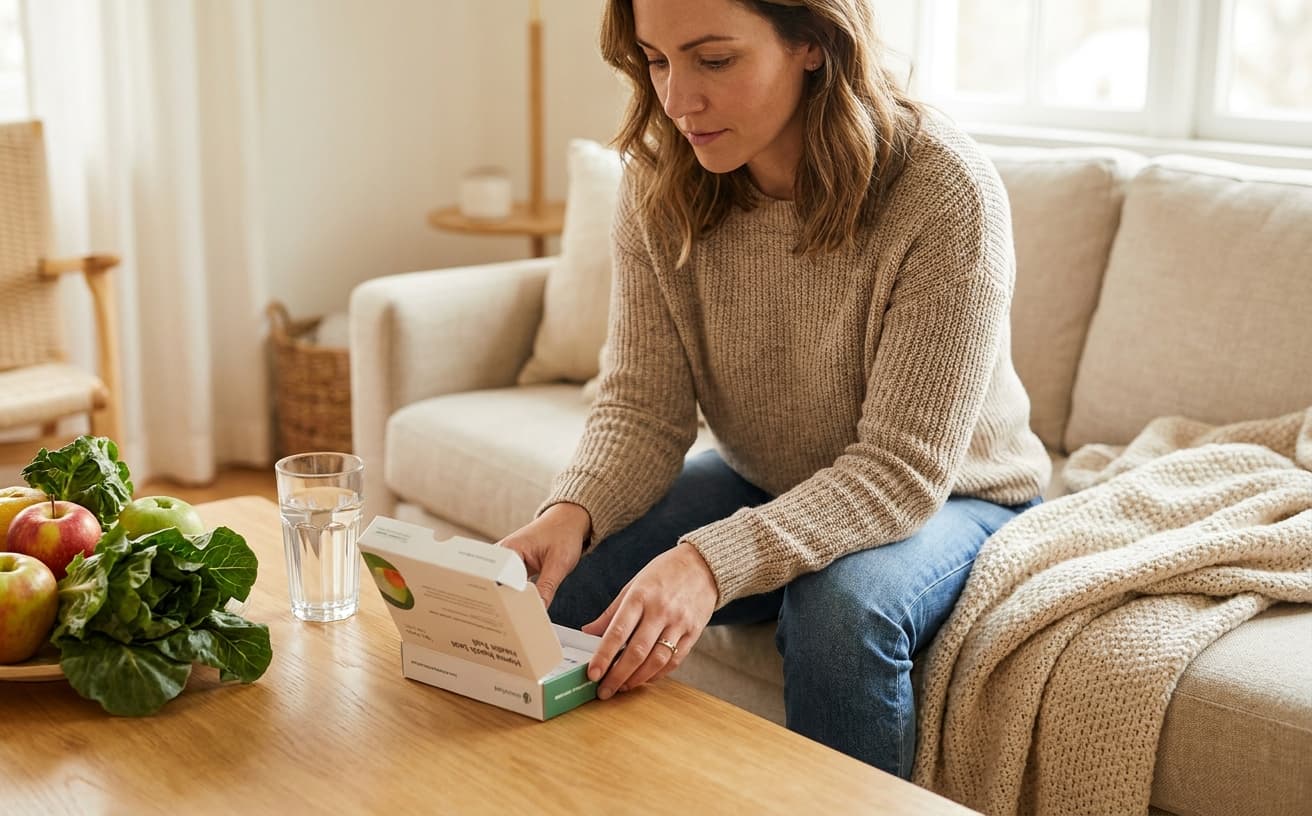
At-Home Gut Microbiome Testing Is Booming — But Is It Worth the Hype?
If you've spent any time on health social media lately, you've probably seen someone unboxing a gut microbiome test kit. These at-home tests — which promise to decode the trillions of bacteria living in your digestive tract — have become one of the hottest wellness trends of 2026.
Companies like Viome, ZOE, and Ombre are marketing sleek kits that claim to reveal everything from your gut health status to personalized food recommendations. But before you drop $100 to $300 on a stool sample kit, there are some important things you should understand about what these tests can and can't tell you.
What Exactly Is a Gut Microbiome Test?
Your gut microbiome is the community of bacteria, fungi, viruses, and other microorganisms that live in your gastrointestinal tract. Scientists now know that this community plays a major role in digestion, immunity, metabolism, and even mood.
A gut microbiome test attempts to map out who's living in your gut. You collect a small stool sample at home, mail it to a lab, and receive a report — usually within two to four weeks — showing which microbes were detected and what that might mean for your health.
The idea is simple: if you know what's in your gut, you can make smarter decisions about what you eat and how you live. That's the promise, at least.
How the Tests Work
Not all gut microbiome tests use the same technology, and that distinction matters. The three main methods are:
- 16S rRNA sequencing: The most common and affordable method. It identifies bacterial species by analyzing a specific gene. Companies like Ombre use this approach. It's reliable for identifying which bacteria are present but doesn't tell you much about what they're actually doing.
- Shotgun metagenomic sequencing: A more comprehensive method that reads all the DNA in your sample. ZOE uses this technology. It can identify bacteria, viruses, fungi, and parasites, plus predict some functional capabilities.
- Metatranscriptomics (RNA sequencing): The most advanced method, used by Viome. Instead of just identifying microbes, it captures which genes are actively being expressed — essentially showing what your gut bacteria are doing in real time.
Each method has trade-offs between cost, depth, and accuracy. More advanced technology doesn't necessarily mean better actionable insights.
What Can a Gut Microbiome Test Actually Tell You?
A well-designed microbiome test may reveal several things about your digestive health:
- Microbial diversity: How many different species live in your gut. Higher diversity is generally associated with better health outcomes.
- Bacterial balance: The ratio of beneficial bacteria (like Lactobacillus and Bifidobacterium) to potentially harmful ones.
- Inflammation markers: Some tests look for signs of intestinal inflammation that might indicate conditions like irritable bowel syndrome.
- Digestive function: Clues about how well you're breaking down and absorbing nutrients from food.
- Potential imbalances: Overgrowths of yeast, parasites, or bacteria that could be contributing to symptoms like bloating, gas, or fatigue.
Many companies also provide personalized food recommendations and even custom probiotic blends based on your results. This is where things get both exciting and controversial.
The Personalized Nutrition Angle
One of the biggest selling points of microbiome testing is the promise of a diet tailored to your unique gut. ZOE, for example, combines microbiome data with blood sugar and blood fat responses to create personalized nutrition scores for thousands of foods.
Viome takes a similar approach, using your RNA data to recommend specific foods to eat more of, foods to avoid, and even custom supplement formulations. The appeal is obvious — who wouldn't want a diet plan designed specifically for their body?
But experts urge caution. The science connecting specific microbiome profiles to specific dietary recommendations is still evolving. What works in a research lab doesn't always translate to reliable, individualized advice.
The Accuracy Problem: Why Scientists Are Concerned
Here's where things get tricky. A landmark study published in Communications Biology found that when researchers sent the same stool sample to multiple testing companies, the results were dramatically different.
The variability between different providers was found to be on the same scale as the biological variability between entirely different people. In other words, two companies analyzing the same sample might tell you very different things about your gut.
Why Results Vary So Much
Several factors contribute to this inconsistency:
- Different reference databases: Each company compares your sample against its own database of microbial genomes. Different databases mean different identifications.
- Proprietary algorithms: The way companies interpret and score your results is proprietary, making it impossible to compare reports from different providers.
- Sample handling: Temperature, shipping time, and collection technique can all alter the microbial composition of your sample before it even reaches the lab.
- Snapshot limitations: Your microbiome changes throughout the day and from meal to meal. A single sample is just one snapshot in time.
It's also worth noting that no at-home microbiome test has been approved by the FDA for clinical diagnostic use. These tests are sold as wellness products, not medical devices, which means they're held to different standards of accuracy.
How Much Do At-Home Microbiome Tests Cost?
Pricing varies considerably depending on the company and what's included:
- Ombre: Around $120 for a single test, or as low as $90 with a subscription plan. Uses 16S rRNA sequencing and provides probiotic recommendations.
- Viome: Starting at $169 for the basic gut intelligence test. Uses metatranscriptomics and offers supplement recommendations. Premium plans can run over $300.
- ZOE: Typically around $250-$350 for a comprehensive package that includes microbiome testing, blood sugar monitoring, and personalized nutrition guidance.
Keep in mind that many experts recommend retesting every three to six months to track changes, which can add up quickly.
Who Might Actually Benefit from Microbiome Testing?
Despite the limitations, there are situations where at-home microbiome testing may provide useful information:
- People with chronic digestive symptoms like persistent bloating, irregular bowel habits, or unexplained gut discomfort who want additional data to discuss with their healthcare provider.
- Anyone working with a functional medicine practitioner who can interpret the results in the context of your overall health picture.
- Health-curious individuals who understand the limitations and view the test as one piece of a larger wellness puzzle — not a definitive diagnosis.
- People tracking the impact of dietary changes over time, using repeat testing to see trends rather than relying on a single snapshot.
Who should probably skip it? Anyone looking for a definitive medical diagnosis, anyone who might feel anxious about ambiguous results, or anyone on a tight budget who would be better served by investing in whole foods and regular medical checkups.
How to Prepare for an At-Home Microbiome Test
If you do decide to try a gut microbiome test, proper preparation can help you get the most reliable results possible:
- Stop antibiotics at least four weeks before collecting your sample. Antibiotics dramatically alter your microbiome and can skew results.
- Pause probiotics and supplements for at least one week before testing, unless your healthcare provider advises otherwise.
- Avoid laxatives and antacids for at least one week before your sample collection.
- Eat normally. Don't change your diet before the test — the point is to see what your microbiome looks like during your regular routine.
- Follow collection instructions exactly. Contamination, improper swabbing, or inadequate sample quantity can all affect your results.
- Ship promptly. Most kits include a stabilizing solution, but sending your sample quickly helps preserve its integrity.
The Bottom Line: Promising but Not Perfect
At-home gut microbiome testing represents an exciting frontier in personalized nutrition and digestive health. The science behind the microbiome is real and rapidly advancing — we know that gut bacteria influence everything from digestion to immunity to mental health.
But the testing technology hasn't quite caught up to the marketing. Inconsistent results between providers, a lack of FDA oversight, and the absence of a universal definition of a "healthy" microbiome all mean that these tests should be viewed as informational tools, not diagnostic ones.
The smartest approach? Use microbiome testing as one piece of your health picture, discuss results with a qualified healthcare provider, and don't make major dietary changes based solely on a single test report.
In the meantime, the fundamentals of good digestive health remain the same: eat plenty of fiber-rich fruits and vegetables, include fermented foods in your diet, stay hydrated, manage stress, and get enough sleep. These habits support a thriving microbiome whether you test it or not.
Frequently Asked Questions
Are at-home gut microbiome tests accurate?
Accuracy is currently a significant limitation. Research has shown that different companies can produce dramatically different results from the same stool sample, due to variations in sequencing technology, reference databases, and proprietary scoring algorithms. No at-home microbiome test has received FDA approval for clinical diagnostic use. Results are best viewed as general wellness information rather than definitive medical findings.
How often should you take a gut microbiome test?
If you choose to test, many experts suggest retesting every three to six months to track trends over time. A single test provides only a snapshot of your microbiome at that moment, and your gut composition can shift based on diet, stress, sleep, medications, and other factors. Tracking changes over time may provide more meaningful insights than any single result.
Can a microbiome test diagnose digestive conditions like IBS or SIBO?
No. At-home microbiome tests are not designed to diagnose medical conditions. While they may reveal patterns associated with certain digestive issues, only a qualified healthcare provider can diagnose conditions like IBS, SIBO, or inflammatory bowel disease through appropriate clinical testing. If you're experiencing persistent digestive symptoms, see your doctor rather than relying on an at-home test.
Is it worth spending money on a gut microbiome test?
It depends on your goals and expectations. If you're health-curious, working with a practitioner who can interpret the results, or tracking the impact of dietary changes over time, testing may offer useful insights. However, if you're looking for definitive health answers or are on a tight budget, you may be better served by investing in nutrient-dense whole foods, regular exercise, and routine medical care — all of which support gut health with strong scientific backing.
This article is for informational purposes only and is not medical advice. Consult your healthcare provider before making health decisions.